FPT Proposes Three Directions for Semiconductor Workforce Development at an International Workshop at Hanoi University of Science and Technology
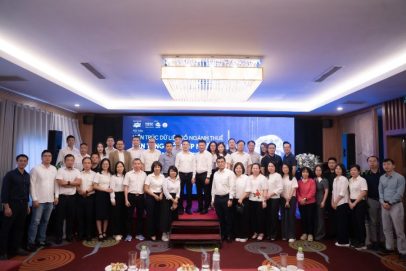
At the international workshop “Semiconductor Knowledge Exchange for Vietnam – Strengthening Research and Training Collaboration between Hanoi University of Science and Technology and Swansea University” held recently, representatives from FPT Corporation shared practical orientations for semiconductor workforce development, attracting significant attention from experts, scientists, and participating enterprises.
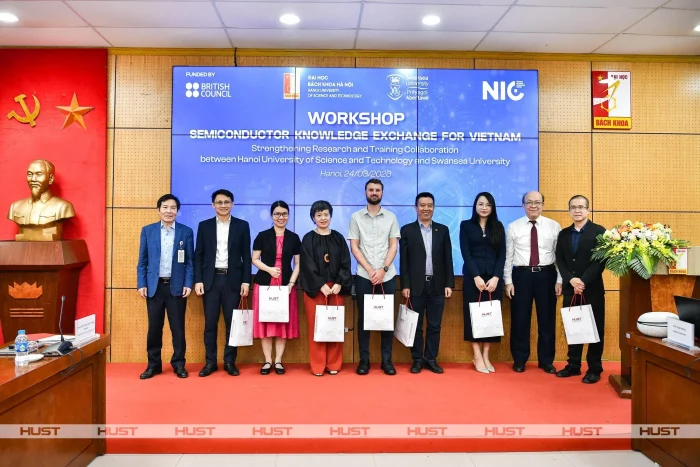
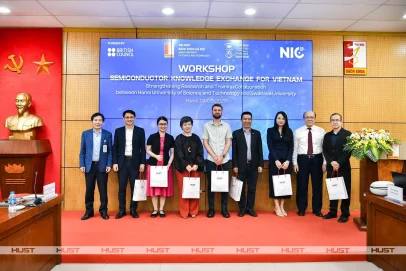
FPT representatives shared perspectives on semiconductor workforce development at an international workshop held at Hanoi University of Science and Technology (Source: HUST)
The event was co-organized by Hanoi University of Science and Technology and Swansea University (United Kingdom), under the international cooperation project “Semiconductor Knowledge Exchange for Vietnam,” funded by the British Council and accompanied by the National Innovation Center (NIC). The workshop served as a forum to promote international collaboration in research, training, and the development of Vietnam’s semiconductor ecosystem—an area considered one of the strategic technology pillars amid global supply chain shifts.
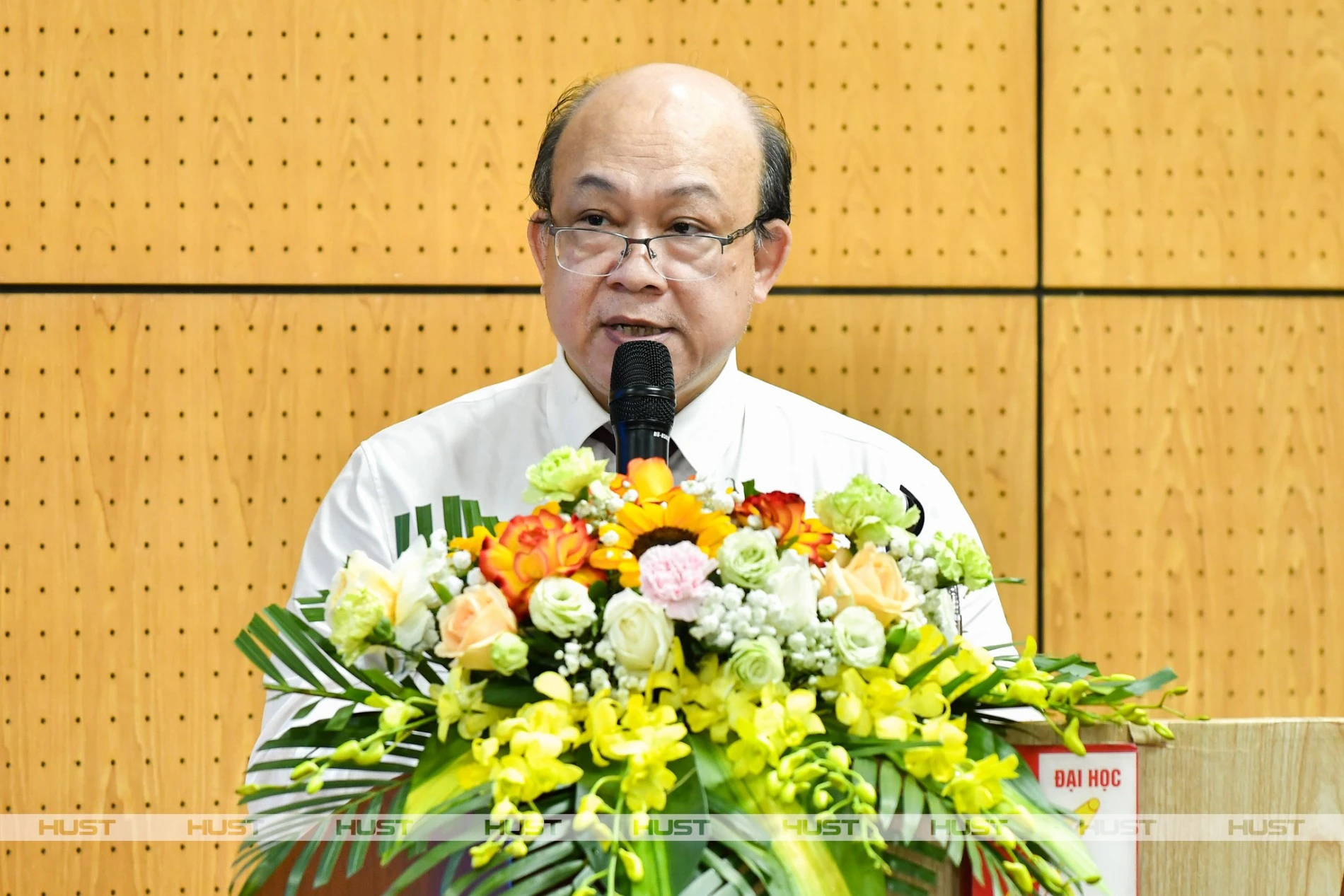
Associate Professor Huynh Quyet Thang, President of Hanoi University of Science and Technology, delivered the opening remarks at the event (Source: HUST)
According to Associate Professor Huynh Quyet Thang, Director of Hanoi University of Science and Technology, semiconductors are not only the foundation of electronics but also a pillar of digital transformation, artificial intelligence, smart manufacturing, and the digital economy. Therefore, semiconductor development capacity reflects not only scientific and technological capability but also national competitiveness, strategic autonomy, and position in the global value chain. For Vietnam, developing the semiconductor industry is not merely an opportunity but a strategic choice—one tied to the aspiration to advance the country based on science, technology, innovation, and high-quality human resources.
Meanwhile, Ms. Hoang Van Anh, Education Program Director at the British Council in Vietnam, affirmed that Vietnam is entering a critical development phase with a focus on science and technology, innovation, and digital transformation. International cooperation in higher education is identified as a key pillar of the national strategy, with semiconductor technology regarded as a breakthrough field to support high-quality workforce development, contributing to the goal of becoming a high-income country by 2045.
At the same time, Dr. Vo Xuan Hoai, Deputy Director of the National Innovation Center (NIC), emphasized the role of the innovation ecosystem in advancing Vietnam’s semiconductor industry.
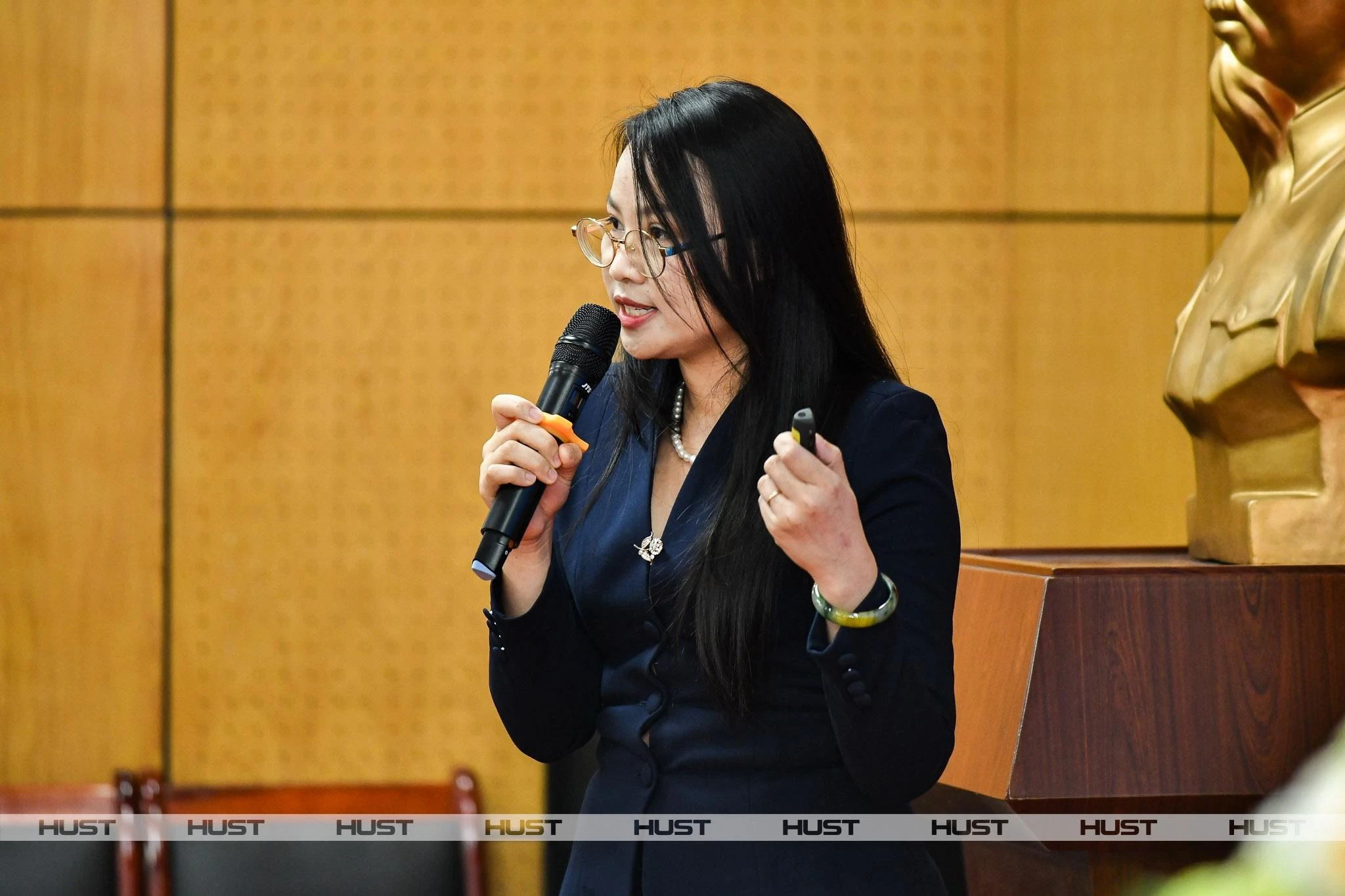
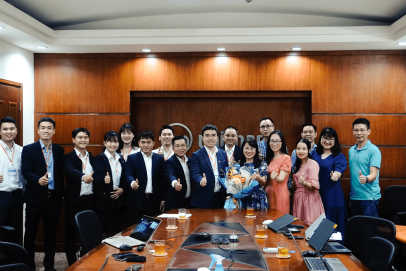
Ms. Nguyen Thi Hong Van, representing FPT, proposed three key directions for semiconductor workforce development (Source: HUST)
From a business perspective, Ms. Nguyen Thi Hong Van, Chief of Office, Semiconductor, FPT Corporation, presented a paper titled “Vietnam on the Global Chip Map: FPT Ecosystem & Strategic Opportunities for HUST Talents.” The presentation offered a corporate viewpoint on Vietnam’s increasingly prominent position in the semiconductor value chain, while highlighting the role of technology ecosystems in enhancing national competitiveness.
Drawing on practical implementation experience and capabilities in mastering strategic technologies, the FPT representative also proactively proposed three key directions for semiconductor workforce development.
First, promoting university–enterprise collaboration models that align training with market demands, thereby narrowing the gap between theory and practice and enabling students to meet job requirements immediately after graduation.
Second, developing joint laboratories focusing on key areas such as materials, chip design, and testing. This model not only creates a practical research environment for lecturers and students but also promotes R&D activities aligned with enterprise needs.
Third, accelerating “hands-on” talent development programs that allow students to directly participate in technology projects, gradually accumulating experience and enhancing professional capabilities in real working environments.
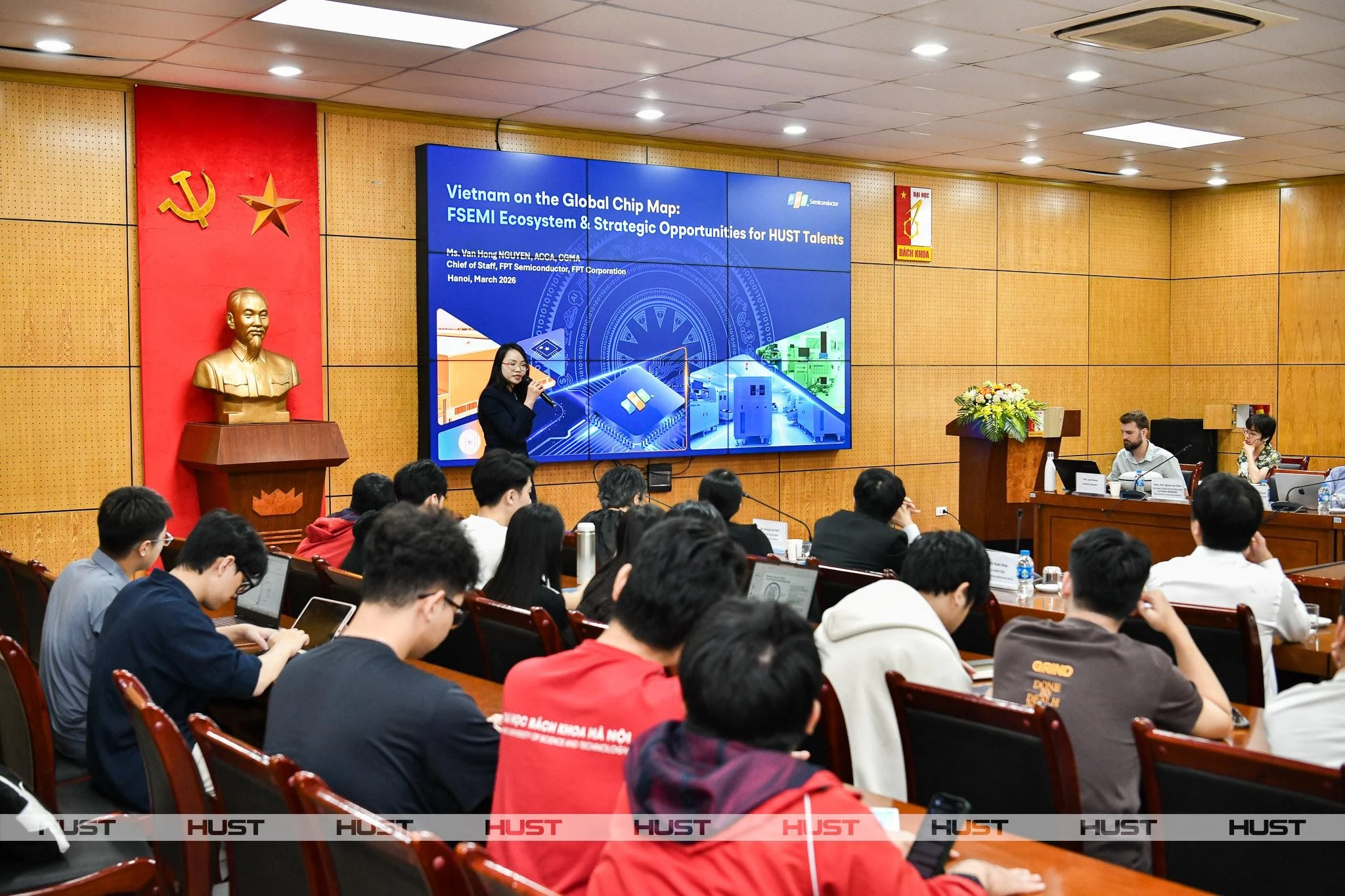
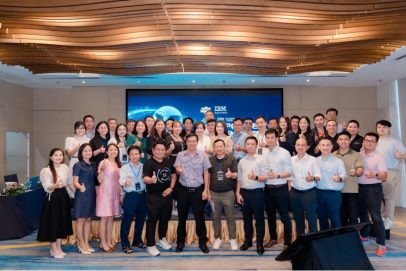
FPT representatives shared the Group’s semiconductor ecosystem development strategy (Source: HUST)
In addition to sharing orientations, FPT representatives also clarified the Group’s semiconductor ecosystem development strategy, which focuses on strengthening connections between enterprises and educational institutions, and partnering with universities in applied research and high-quality workforce training.
FPT has been involved in the semiconductor industry for 11 years. To date, the Group has established a relatively comprehensive semiconductor ecosystem spanning design, packaging, testing, and workforce training; in early 2026, it established an advanced chip testing and packaging factory, and successfully exported a batch of “Make in Vietnam” chips to Japan in late 2025. In the coming time, FPT commits to promoting connectivity across the semiconductor value chain, realizing national directions on mastering core and sovereign technologies under Resolution No. 57-NQ/TW, Decision No. 1131/QĐ-TTg, and Decision No. 1018/QĐ-TTg, thereby advancing Vietnam’s deeper integration into the global value chain.