MSB and FPT launch new anti-money laundering project, modernising compliance risk management in banking operations
Hanoi, 29 December 2025 – At the headquarters of Vietnam Maritime Commercial Joint Stock Bank (MSB), MSB and FPT Corporation held a kickoff ceremony for the project “Investment and deployment of a new Anti-Money Laundering (AML) system to replace the existing AML system at MSB”.
The project marks a strategic step by MSB in accelerating the digitalisation of its AML operations, with the aim of ensuring compliance with AML regulations, international standards, and the money laundering risk appetite of major international organisations across all banking operations, customer journeys and transaction monitoring processes. The project also underscores FPT’s role as a long-term technology partner in the banking and financial sector.
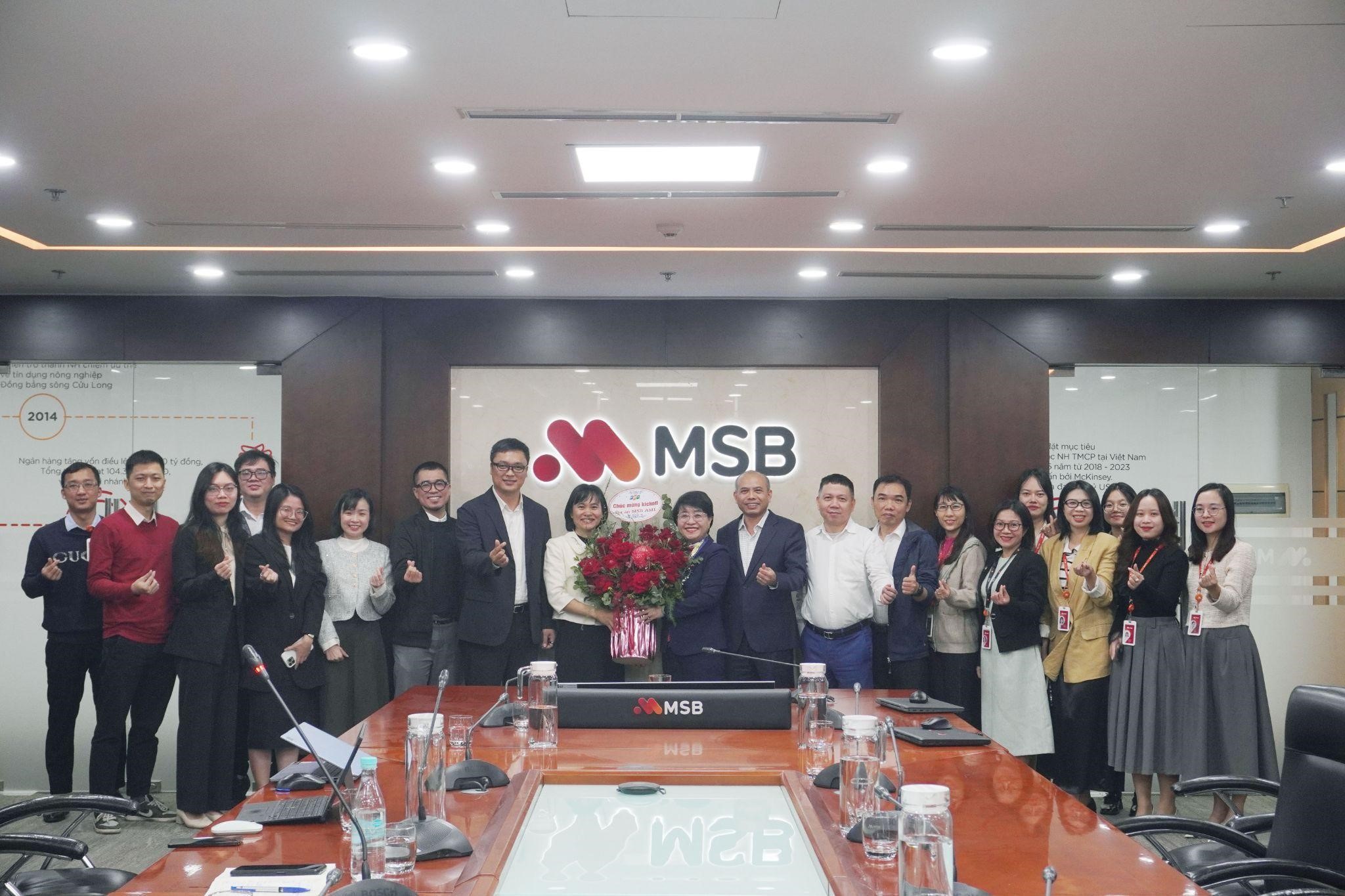
Leaders and project teams of both sides officially launch the project “Investment and deployment of a new Anti-Money Laundering (AML) system to replace the existing AML system at MSB”
Against the backdrop of increasingly comprehensive anti-money laundering regulations in Vietnam, along with heightened requirements to comply with international practices and global sanctions regimes, AML compliance risk management is facing growing demands for proactiveness and effectiveness. In this context, MSB has set the objective of building a centralised, modern and scalable AML platform in line with Circular No. 27/2025/TT-NHNN issued by the State Bank of Vietnam. The selected solution for implementation is Oracle Financial Services Anti Money Laundering.
The AML solution, consulted and implemented by FPT for MSB, is designed based on a centralised architecture that enables end-to-end management of the customer and transaction lifecycle, from identification and risk assessment to monitoring, handling and reporting. The system focuses on three core functional pillars.
First, real-time Know Your Customer (KYC) screening allows customers to be screened at the point of Customer Information File (CIF) creation or upon changes in customer information, through cross-checking against blacklists, watchlists and relevant data sources. The system automatically assigns money laundering risk scores and triggers enhanced due diligence processes for high-risk customers, improving accuracy and consistency in customer risk management.
Second, real-time or near-real-time transaction screening is conducted for SWIFT (Society for Worldwide Interbank Financial Telecommunication) messages, customised SWIFT transactions and new payment systems via API connectivity. Transaction data are screened against blacklists and watchlists to promptly detect and prevent suspicious transactions, thereby improving processing efficiency.
Third, transaction monitoring is conducted based on the latest money laundering scenarios. The system generates only one alert when a customer simultaneously breaches multiple monitoring scenarios, helping reduce investigation time while ensuring no suspicious signals are overlooked. The system enables behavioural monitoring tailored to MSB’s operational characteristics and automatically consolidates reports to support management and regulatory reporting in accordance with State Bank requirements.
Through the deployment of the new AML system, MSB aims to standardise anti-money laundering processes on a digital platform, strengthen compliance with domestic regulations and international standards, including those of the Financial Action Task Force (FATF), and enhance its capability to identify and control risks. Automating processes from customer identification and screening to transaction monitoring, handling and reporting reduces reliance on manual operations, improves operational efficiency and enhances the quality of compliance management, thereby laying a solid foundation for safe, transparent and sustainable banking operations.
Given the project’s broad scope, involving multiple source systems, data sets and core business processes, close coordination between technology and business units is required. Both sides have placed strong emphasis on resource allocation and maintaining operational continuity throughout the implementation process to ensure project progress and quality.

Mr. Dao Hong Giang, EVP and Director of the Banking and Finance Sector, FPT IS, FPT Corporation, speaks at the ceremony
Speaking at the ceremony, Mr. Dao Hong Giang, Executive Vice Chairman and Director of the Banking and Finance Division, FPT IS, FPT Corporation, stated: “The AML project at MSB is the sixth project in which FPT has partnered with Vietnamese banks in the field of anti-money laundering. On the basis of ensuring strict compliance with the rule of law and all relevant Vietnamese regulations, FPT is committed to mobilising appropriate resources and proposing flexible coordination mechanisms to enable both project teams to exchange information, report and address arising issues in a timely manner, with the goal of building an AML system that meets international standards and is operationally user-friendly.”
From MSB’s side, Mr. Nguyen Phi Hung, Deputy Chief Executive Officer of MSB, shared: “MSB’s leadership expects the project to be completed on schedule within the coming year, allowing the new AML system to be put into operation at an early stage. MSB will work closely with FPT throughout the implementation process, proactively coordinating to resolve any emerging challenges in order to ensure overall progress and quality.”
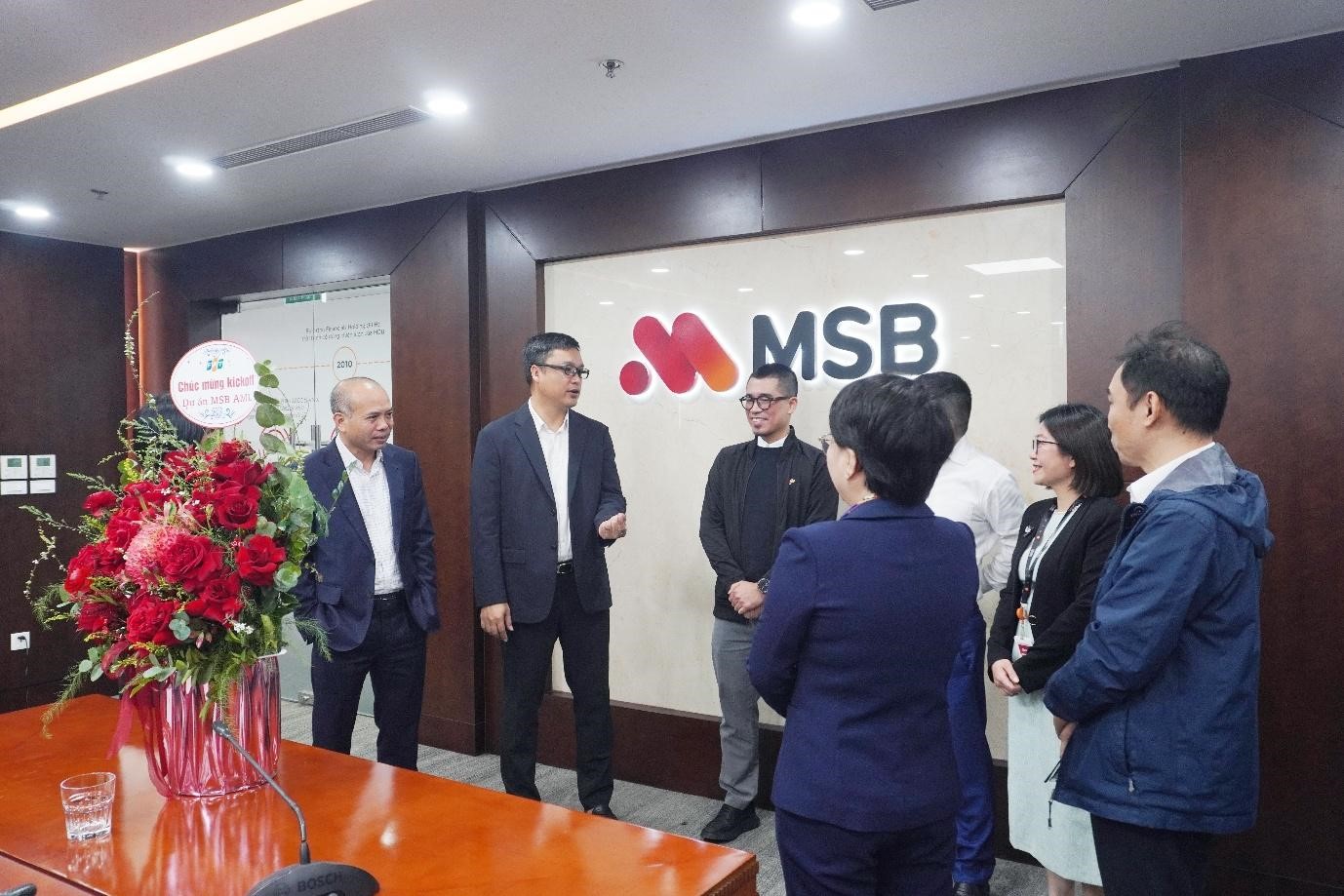
At the kickoff meeting, MSB and FPT engaged in active discussions on implementation approaches and reached a high level of consensus
MSB’s cooperation with FPT in deploying a next-generation anti-money laundering system clearly reflects a spirit of partnership aimed at creating sustainable value in the banking and financial sector. Built on technology and data, the project contributes to enhancing the transparency and safety of the financial system, in line with the national digital transformation strategy for the banking sector and the Party and State’s policies on digital economy development. At the same time, it reaffirms MSB’s commitment to placing modern compliance risk management at the core of its long-term development strategy.