FPT and Cisco partner with Dong Thap healthcare sector to build an AI-powered smart healthcare ecosystem
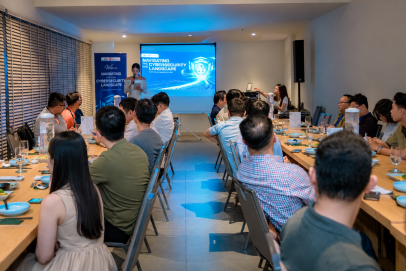
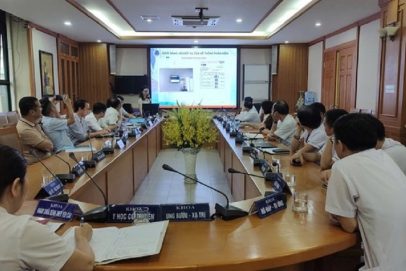
Amid the rapid adoption of digital transformation and AI, smart healthcare is entering a new phase of development, with patient experience and satisfaction becoming top priorities. To keep pace with this trend, the Dong Thap Department of Health, in collaboration with FPT Corporation and Cisco, organized the seminar “Building a Smart Healthcare Ecosystem Powered by AI and Digital Infrastructure” to promote connectivity and cooperation among healthcare organizations in the Mekong Delta and leading technology partners.
At the seminar, FPT introduced a comprehensive solution portfolio aimed at supporting Dong Thap in transforming traditional hospitals into smart, paperless hospitals.
In his opening remarks, Dr. Nguyen Thanh Linh, Deputy Director of the Dong Thap Department of Health, said that the healthcare sector has identified building a smart healthcare ecosystem powered by AI as a key direction. Digital infrastructure is a long-term development priority, built around five key pillars: modern and secure digital infrastructure; standardized and interconnected healthcare data; completion of electronic medical records toward paperless hospitals; and accelerated AI adoption in diagnosis, early warning and hospital operations.

Specialist Doctor II Nguyen Thanh Linh (third from left), Deputy Director of the Dong Thap Department of Health
“Developing a digital workforce must continue to receive strong attention, as people remain the decisive factor in the success of digital transformation,” he emphasized.
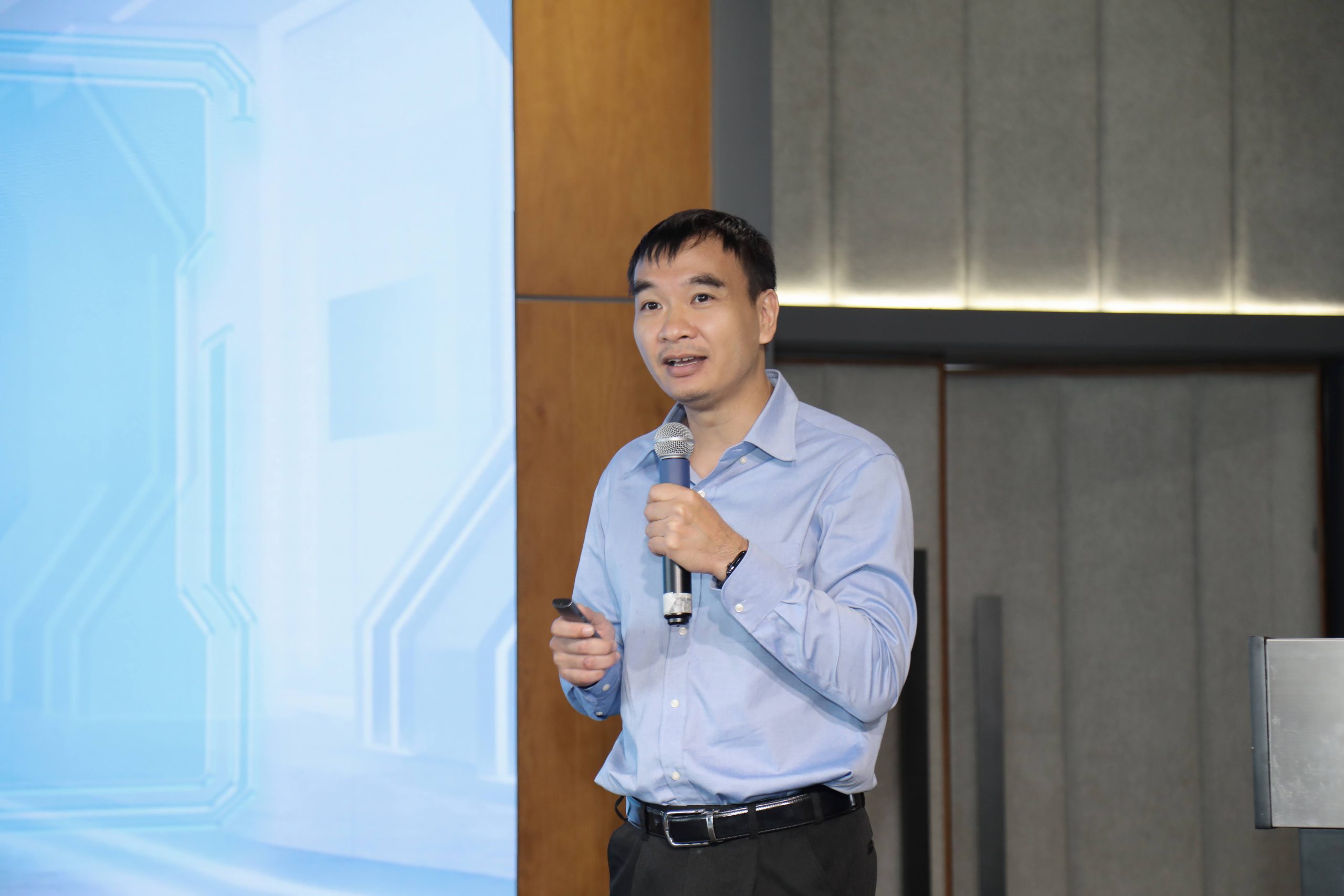
Mr. Le Quang Vinh Phuc, Senior Vice President and Deputy Director of the Enterprise Division at FPT IS, FPT Corporation, shared: “Universal healthcare is a critical national priority identified and directed by the Party and Government through important policies and resolutions. Building a smart healthcare ecosystem requires a unified technology foundation. This is why Cisco and FPT are committed to supporting the healthcare system in Dong Thap in particular and the healthcare sector as a whole. “With nearly 40 years of accompanying Vietnam’s national digital transformation, FPT has accumulated extensive capabilities in deploying large-scale digital platforms, particularly in healthcare. In Dong Thap, FPT signed a comprehensive digital transformation cooperation agreement with the province in 2022, identifying smart healthcare as a key focus. Meanwhile, Cisco is a global technology leader, bringing secure and reliable connectivity to meet increasingly demanding requirements for healthcare data security.”

Mr. Le Quang Vinh Phuc, FPT Corporation, shares at the event.
During the seminar, experts from FPT and Cisco presented a range of topics covering technology solutions for healthcare, AI-ready infrastructure, the development of smart healthcare ecosystems, and data risk management – from legal compliance to ensuring cybersecurity and operational resilience in healthcare delivery.
Presenting Cisco’s position and approach to the healthcare sector, Mr. Dang Hong Minh, Cisco Senior Solutions Architect, said that instead of providing generic solutions, Cisco has teams of experts working directly with major hospitals around the world to develop solutions tailored to the specific needs of the healthcare sector.
Mr. Dang Hong Minh, Cisco Senior Solutions Architect, presents at the event.
As electronic medical records become increasingly widespread and demand for AI continues to surge globally, healthcare infrastructure must simultaneously meet requirements for scalability, operational performance, compliance and sustainability. He introduced flexible deployment models, including system-in-a-box and cloud-based solutions, as well as Kardia AI, a tool that can reduce the time required to read cardiac MRI scans from 60 minutes to 10 minutes.
On cybersecurity, Mr. Nguyen Phu Thinh, Cisco Security Solutions Engineer, cited an incident in which the website of Malaysia’s Ministry of Health was attacked despite having a firewall in place, illustrating that traditional security solutions are no longer sufficient against attackers using AI. He said healthcare organizations need a centralized data management platform capable of analyzing anomalous behavior, while final decisions should remain with humans.
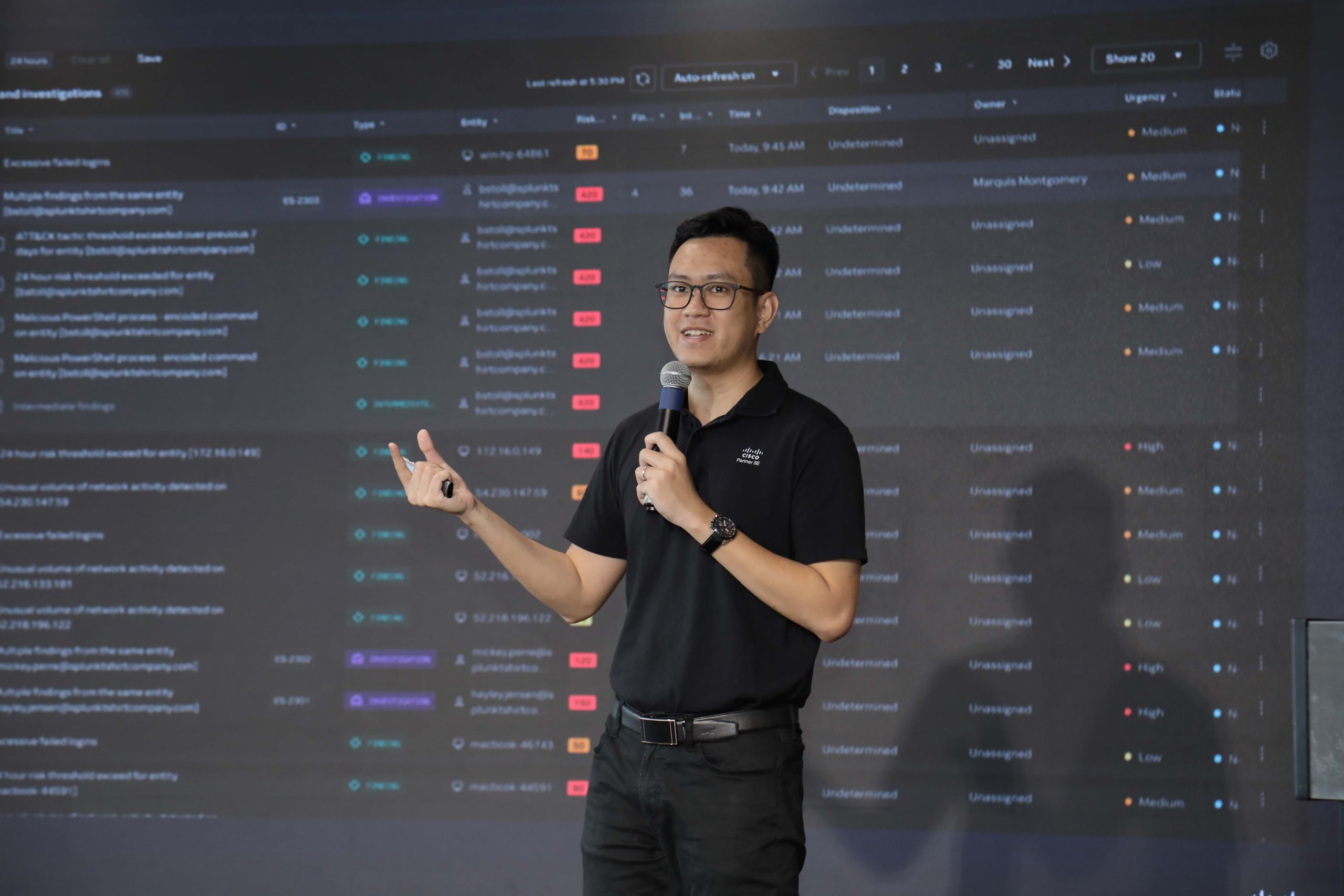
Mr. Nguyen Phu Thinh, Cisco Security Solutions Engineer, shares at the event.
In the session “AI-Ready Infrastructure for Healthcare,” Mr. Le Van Hoang Trung, Deputy Director of the Infrastructure Services Center, FPT IS, FPT Corporation, highlighted two major pressures on hospital IT infrastructure: the mandatory implementation of electronic medical records and the growing wave of AI adoption, as 60% of healthcare organizations seek to apply the technology while legacy infrastructure struggles to meet bandwidth and latency requirements.
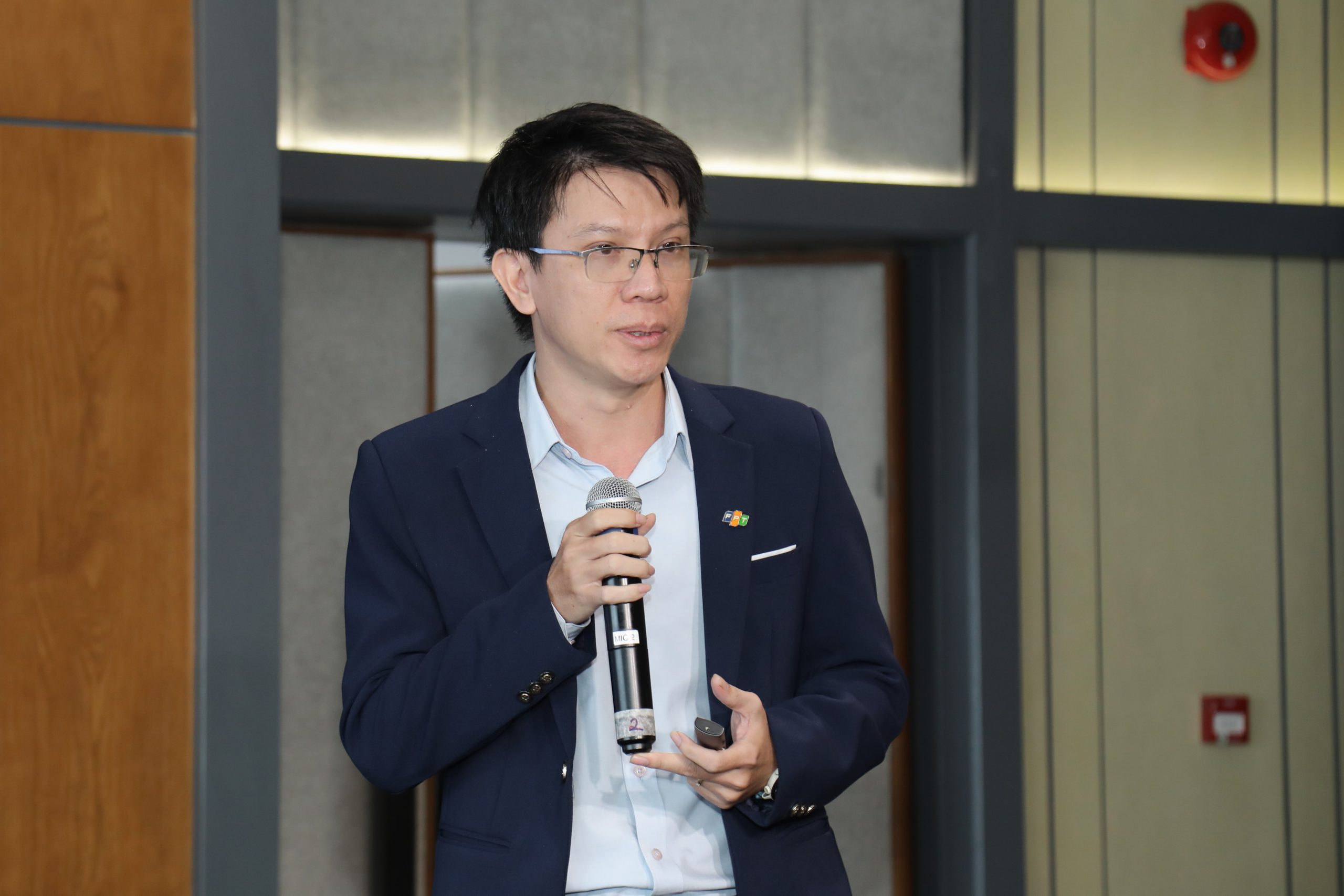
Mr. Le Van Hoang Trung, FPT Corporation, shares at the event.
Based on Decision No. 2146/QD-BYT, he introduced the five-layer Digital Architecture Framework for the healthcare sector, covering patient interaction channels, business applications, the national data platform, digital infrastructure, and the governance, policy and human resources layer. Digital infrastructure, including network infrastructure and cybersecurity, was emphasized as a core element in ensuring stable, secure and continuous system operations. He also raised six questions to help hospital leaders and IT teams assess their readiness in areas such as data backup, ransomware prevention and 24/7 operational capabilities.
Under the topic “Building a Smart Healthcare Ecosystem Powered by Digital Data and Smart Hospitals,” Mr. Nguyen Duy Hien, Deputy Director of the Healthcare Division at FPT IS, FPT Corporation, said that a truly smart hospital must enable patients to receive the best possible care, physicians to make faster and more accurate decisions, and leaders to manage operations based on real data.
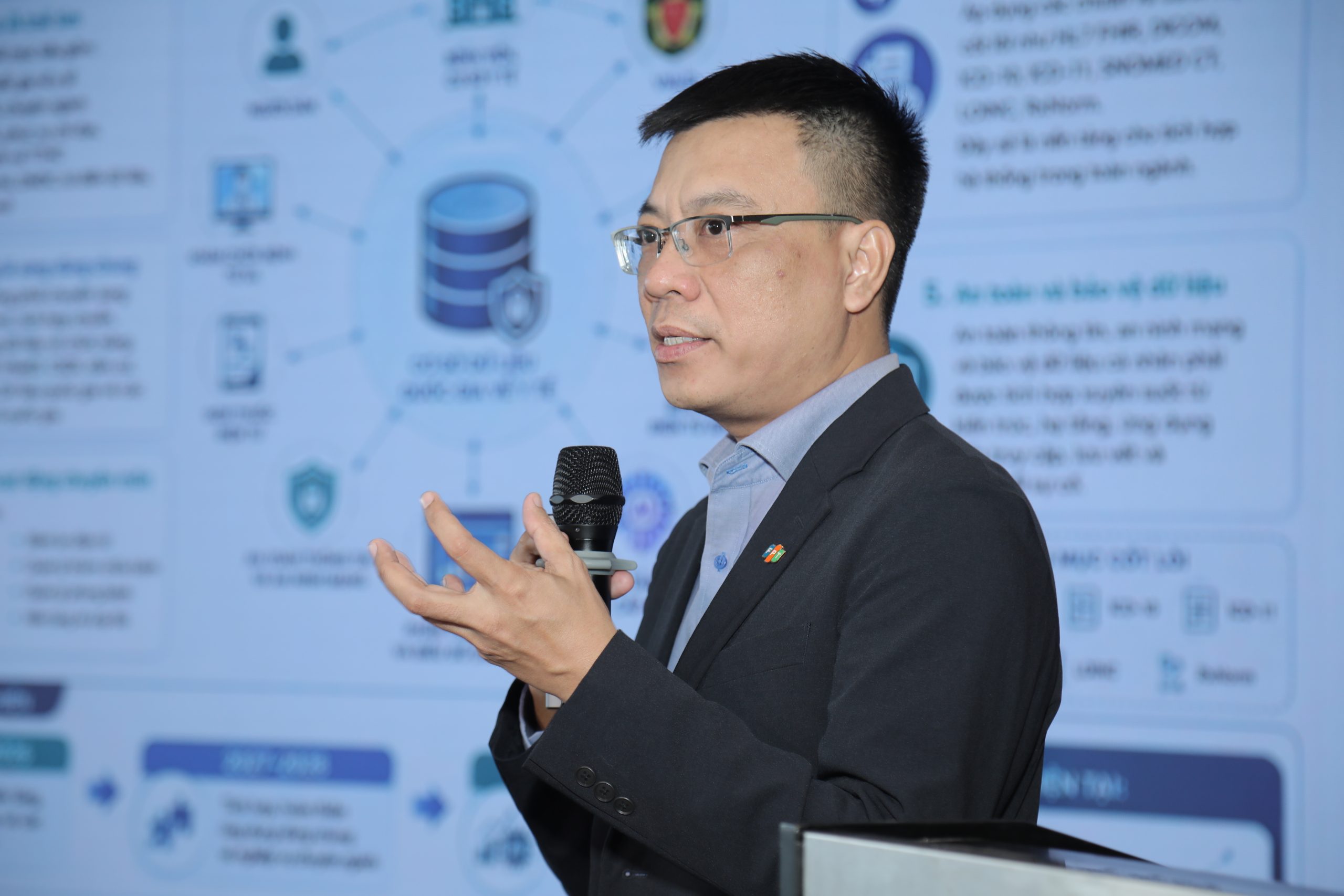
Mr. Nguyen Duy Hien, FPT Corporation, emphasizes that data is at the heart of the digital healthcare ecosystem.
He emphasized that data is at the heart of the digital healthcare ecosystem, as the Ministry of Health is implementing a 90-day campaign to clean, enrich and standardize data across 12 specialized healthcare databases through a digital healthcare platform. Against the backdrop of an aging population and a shortage of healthcare professionals, with Vietnam having approximately 10 doctors per 1,000 people, FPT is focusing on developing AI applications for management reporting, document digitization and clinical support through the Aladdin platform, following international standards including HL7, SNOMED CT and ICD-10.
Presenting on “Legal Compliance and Security for Digital Healthcare Systems,” Dr. Nguyen Thanh Binh, Global Cybersecurity Consultant at FPT IS, FPT Corporation, said that alongside data and AI, legal compliance and operational stability are two critical issues, as the healthcare sector is governed by the Law on Medical Examination and Treatment, the Law on Cybersecurity, the Law on Personal Data Protection, and Decree No. 356/2025/ND-CP. The Government’s official legal database confirms that Decree No. 356/2025/ND-CP provides detailed regulations and measures for implementing the Law on Personal Data Protection and took effect on January 1, 2026.
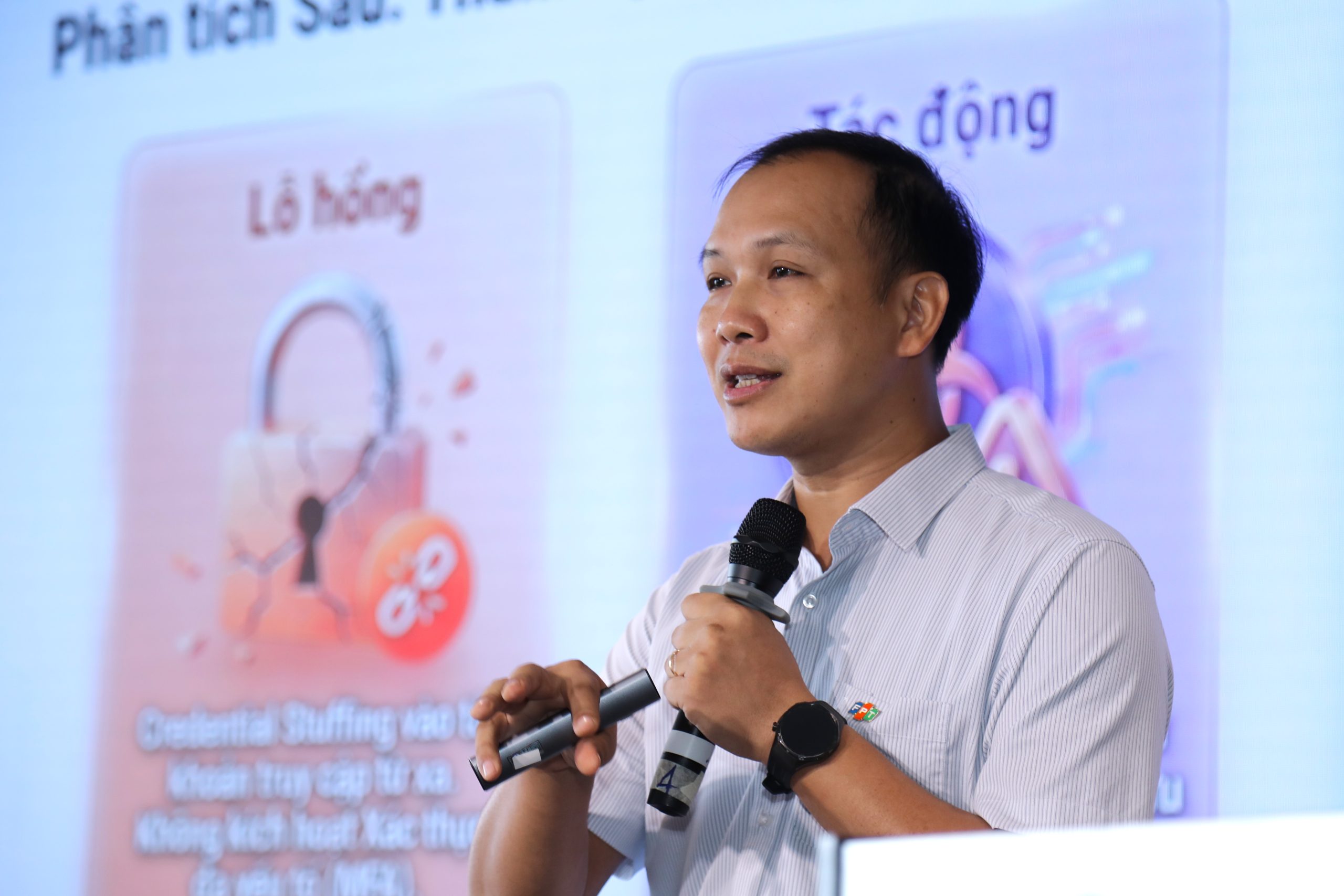
Dr. Nguyen Thanh Binh, FPT Corporation, presents on “Legal Compliance and Security for Digital Healthcare Systems.”
He warned that healthcare data is reportedly worth 10 times more than credit card data on the black market, citing a case in which FPT experts discovered a vulnerability in a PACS server that potentially exposed more than 18,000 medical imaging cases to unauthorized access.
According to him, if an incident occurs due to non-compliance, an organization may face a fine of up to 5% of its previous year’s revenue or VND 3 billion, whichever is higher, in addition to reputational and legal responsibilities for its leadership. FPT proposed a model for accompanying hospitals through a series of measures, including comprehensive system assessments, completion of legal documentation, network segmentation, training, and 24/7 information security monitoring.
In his closing remarks, Dr. Nguyen Thanh Linh emphasized that the seminar represented a strategic step toward realizing the smart hospital model in Dong Thap. “To build powerful AI, we first need strong data. To build strong data, we must successfully implement electronic medical records. And to implement electronic medical records, we need secure and standardized digital infrastructure. Digital infrastructure is the foundation, data is the asset, AI is the driving force, and people are the decisive factor in the success of healthcare digital transformation,” he affirmed.
He called on the provincial healthcare sector to focus on four key tasks: decisively implementing electronic medical records and completely replacing paper-based records from October 1, 2026; standardizing and effectively exploiting data toward ensuring every citizen has a lifelong, continuously updated electronic health record; accelerating cashless payments, AI-powered medical imaging and virtual assistants for patients; and ensuring information security alongside digital skills training for healthcare professionals. According to him, the core objective of a smart hospital is not to invest in expensive equipment, but to put patients at the center, physicians at the heart of healthcare delivery, and data at the foundation of operations.
At the exhibition area, FPT introduced a solution ecosystem addressing key challenges in operational efficiency, healthcare data management and AI Agent-powered Security Operations Centers. The FPT.eContract, FPT.iHRP and FPT Digitization solutions help digitize operational processes, standardize contract-signing workflows and manage human resources, reducing administrative processing time.
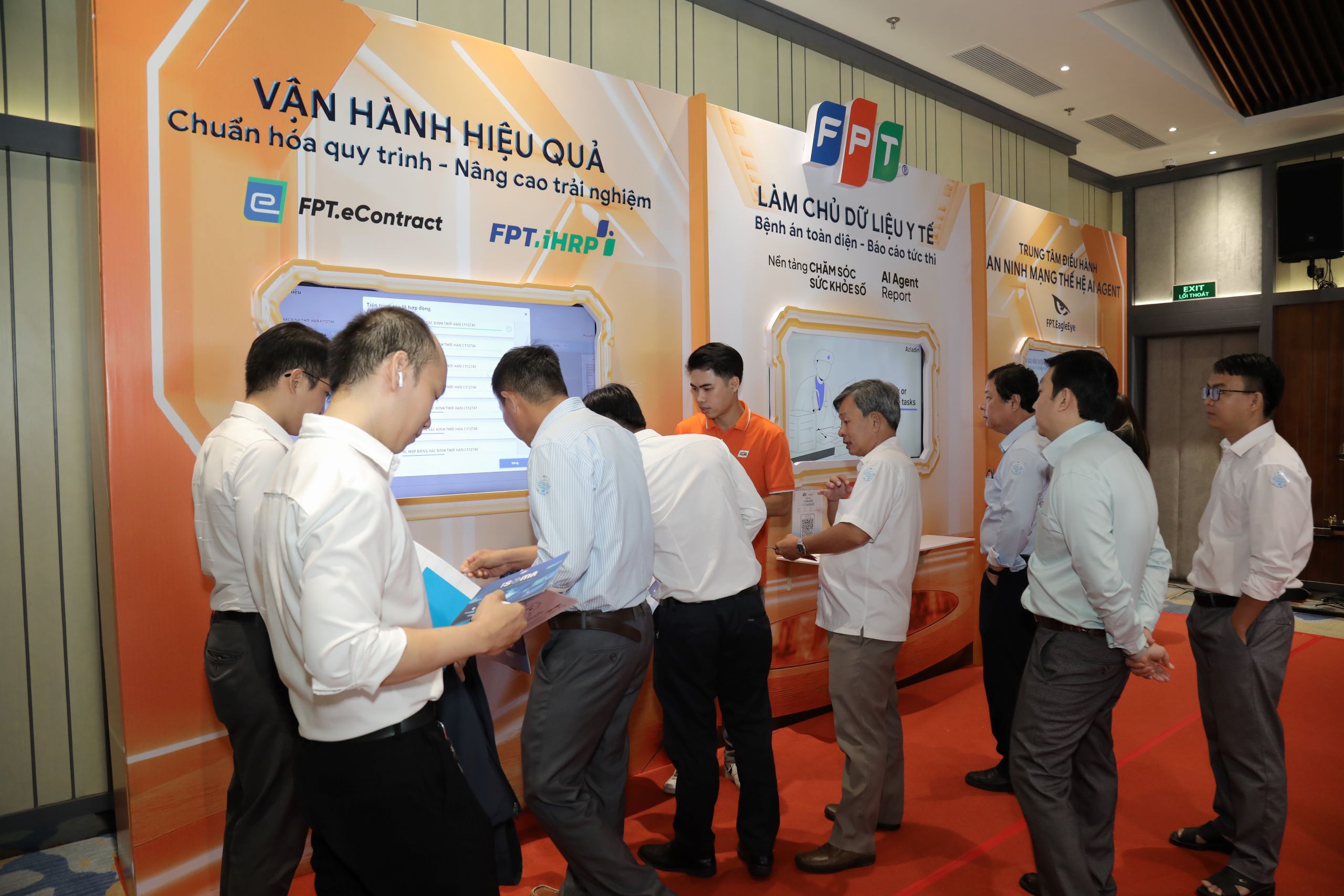
The exhibition area at the event.
For clinical operations, FPT’s digital healthcare platform enables medical records management and remote consultation through an integrated system. Meanwhile, the AI Agent Report solution supports the entire patient journey – from helping patients describe symptoms before visiting a hospital, to recording and analyzing medical images during examinations, and monitoring and reminding patients about treatment after discharge. The solution helps reduce the workload of healthcare professionals, particularly in managing chronic diseases.
In cybersecurity, the FPT.EagleEye AI-Powered SOC platform automates the entire information security incident response lifecycle. It is expected to be commercialized in September 2026, marking an early move by FPT IS in this field in Vietnam. FPT IS currently presents FPT.EagleEye as its cybersecurity solution ecosystem, including centralized security operations and 24/7 monitoring and incident response capabilities.
FPT is committed to becoming a long-term partner of Dong Thap and, together with Cisco, will continue working with the Department of Health and healthcare organizations across the province to share expertise, develop data platforms, master strategic technologies, and gradually bring AI into healthcare management and operations while improving the quality of medical examination and treatment, creating lasting value for society.