FPT and businesses explore the power of AI to enhance operational capabilities
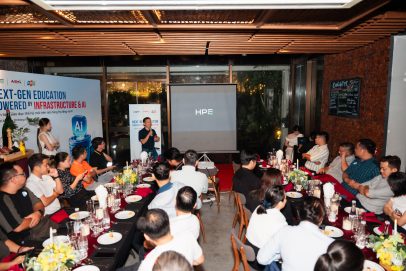
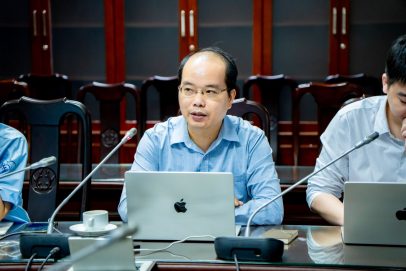
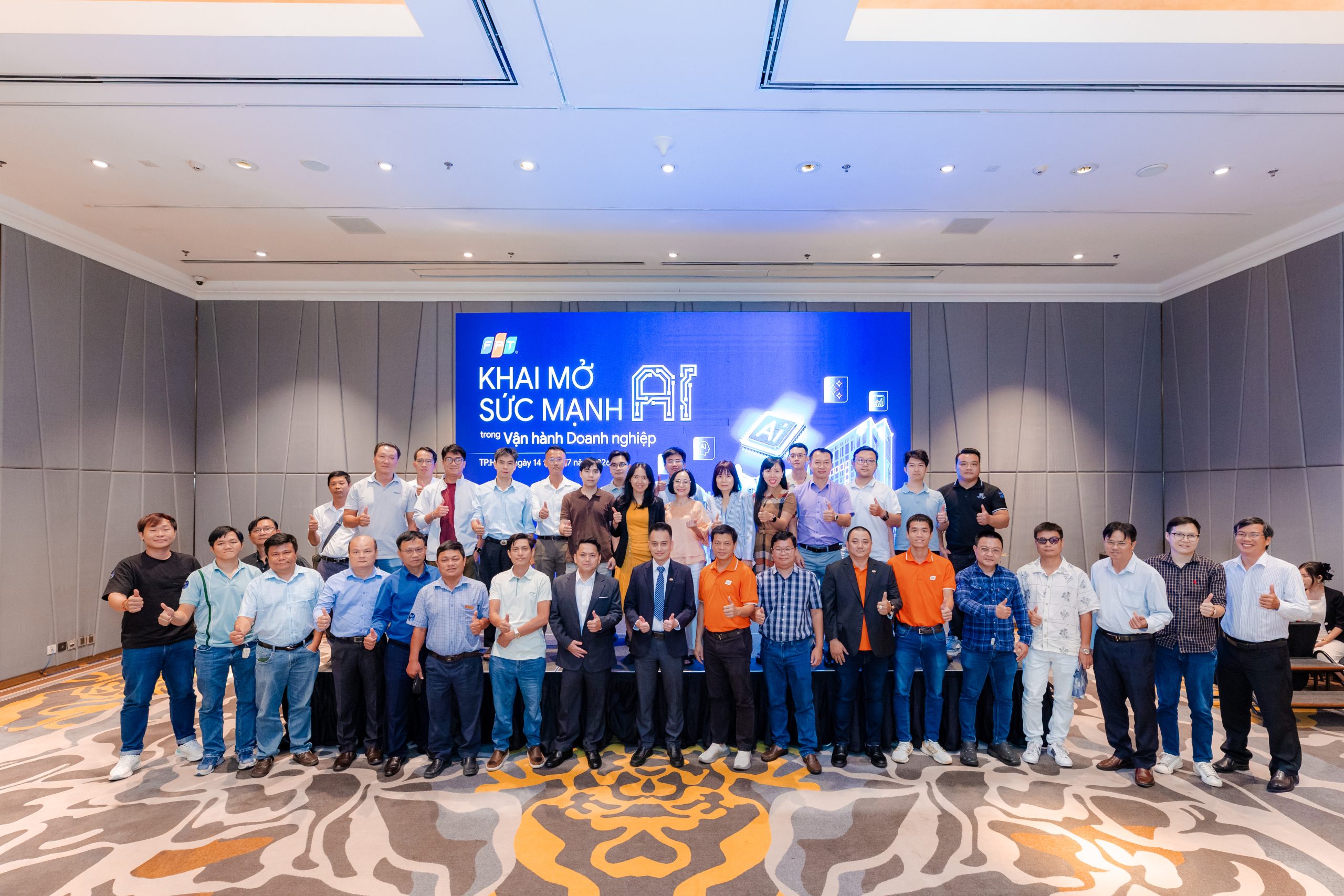
AI applications in business operations are becoming a key factor in helping enterprises optimize efficiency and gain a competitive edge in the digital era. At the seminar “Unlocking the Power of AI in Enterprise Operations,” organized by FPT on July 14 in Ho Chi Minh City, nearly 50 businesses came together to discuss AI application trends, as well as solutions for building robust Cloud, data, and governance foundations to effectively harness the power of AI, optimize operations, and drive sustainable growth.
When AI Becomes a Core Capability in Enterprise Operations
Speaking at the seminar, Mr. Le Quang Vinh Phuc – Senior Vice President and Deputy Head of the Enterprise Division, FPT IS, FPT Corporation, shared: “AI is no longer a trend of the future; it has become a strategic priority for many businesses on their journey to improve productivity and competitiveness. For AI to create sustainable value, businesses need a well-structured implementation roadmap supported by the right technology foundation. FPT is always ready to accompany businesses on this journey, not only with Cloud and AI infrastructure, but also with processes, managed services teams, and an AI Platform to build use cases tailored to each business.”
Sharing a comprehensive view of the current AI landscape across businesses, Mr. Nguyen Quang Minh – Director of the AI Consulting & Innovation Center (AI Lab), FPT Smart Cloud, FPT Corporation, noted: “AI is no longer a nice-to-have technology; it has become a must-have core capability that determines a business’s competitiveness.”
Drawing on its experience accompanying numerous businesses through AI transformation, FPT has developed FPT CASAN – a capability framework for assessing AI maturity and transformation readiness for businesses and organizations. FPT CASAN consists of five levels structured into five stages: Curious, Augmented, Standard, Automatic, and Native. Through the CASAN methodology, businesses and organizations can identify their current position on the AI transformation journey. FPT can then develop a specific roadmap tailored to each organization, turning AI from fragmented technology experiments into a driver of business value and gradually helping customers reach the highest level of the model.
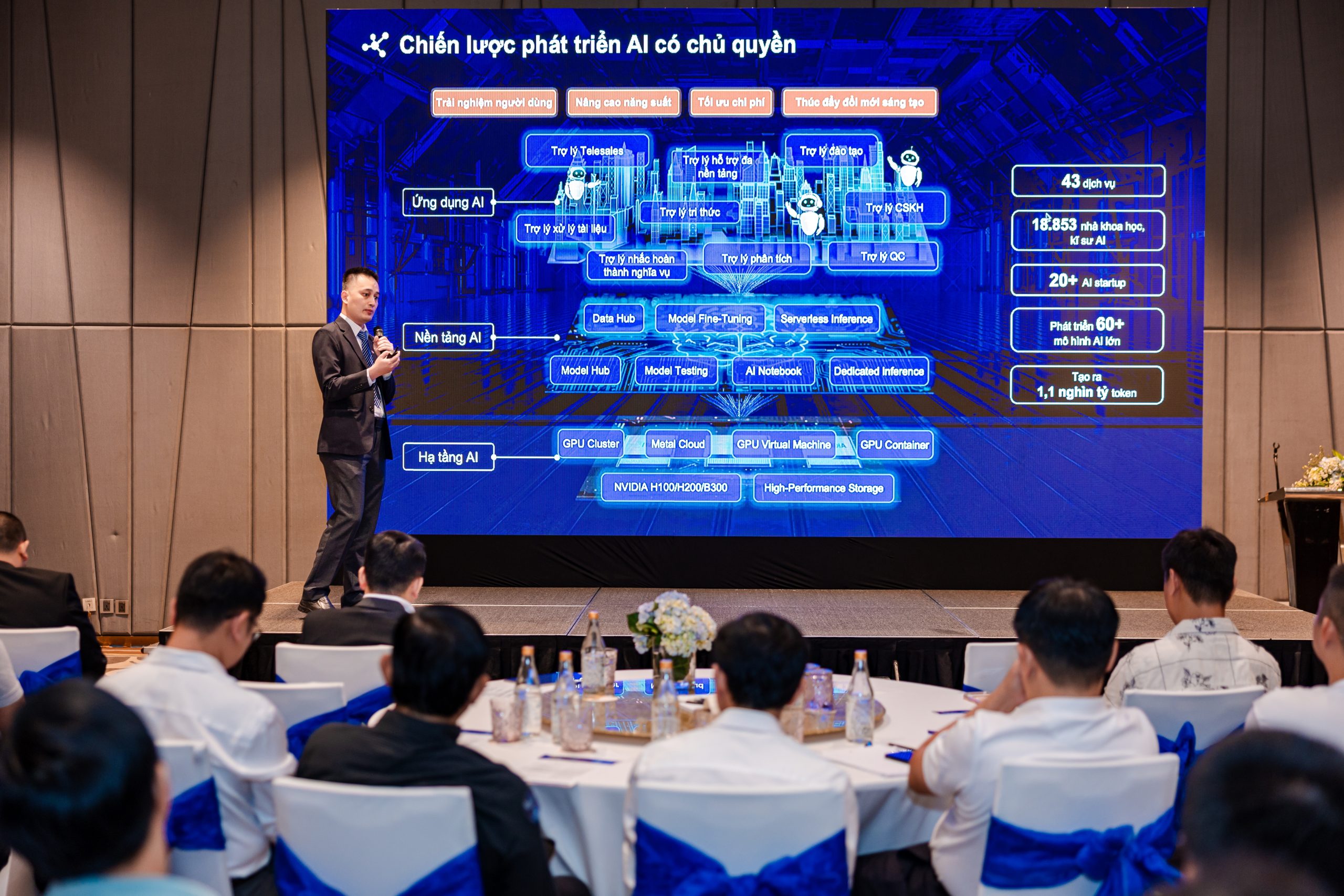
With its ecosystem of intelligent AI Agents, FPT.AI supports businesses throughout their AI transformation journey, from optimizing operational efficiency to enhancing customer experience. In the presentation, Mr. Minh also shared an end-to-end demo showing how AI Agents receive tasks, collaborate with people, and execute tasks in a structured manner to address real-world business challenges. This helps businesses improve workforce productivity and business performance.
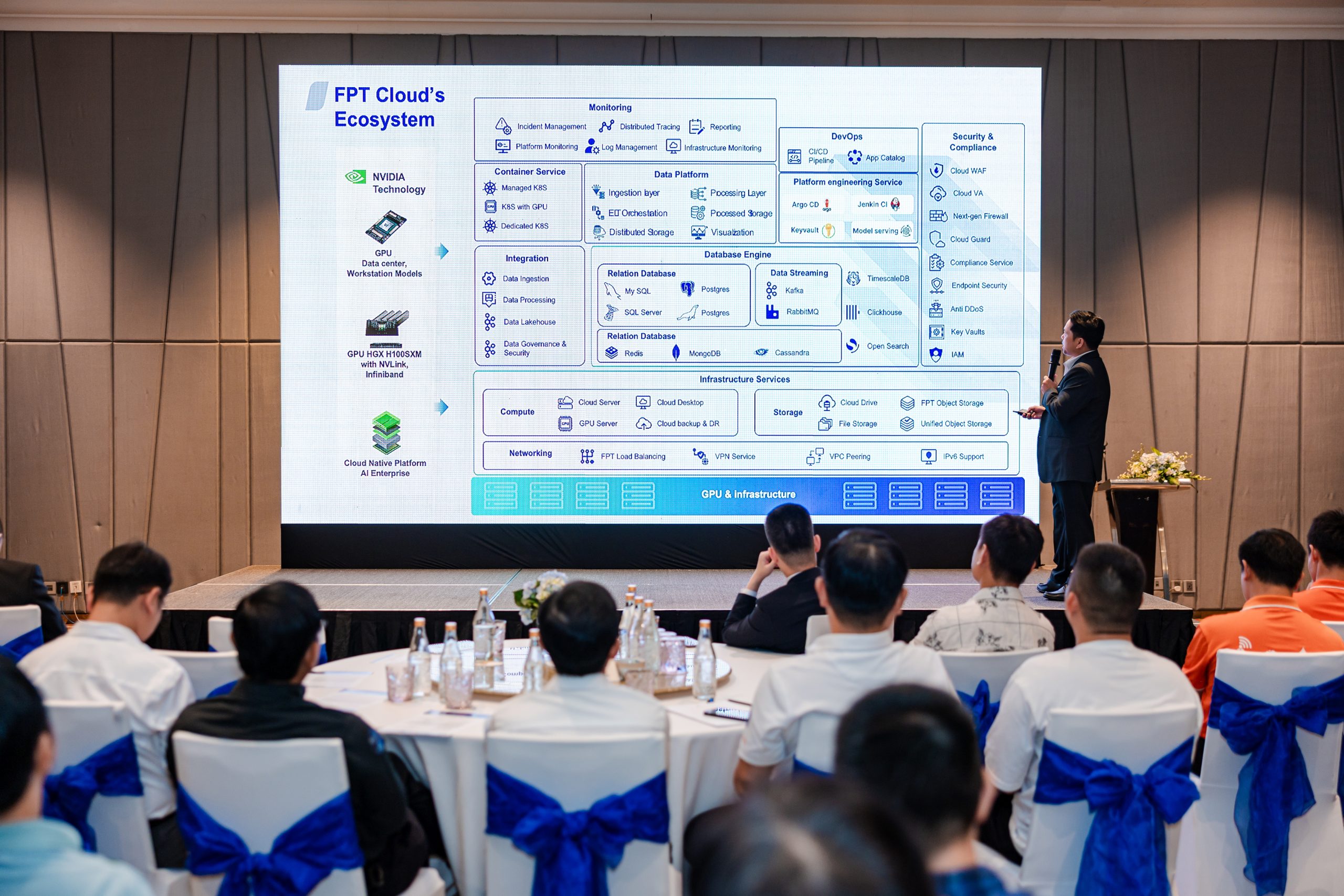
At the seminar, under the topic “Cloud as an AI Enablement Platform: From Infrastructure, Data and Security to Enterprise-Scale AI,” Mr. Bui Song Toan – Deputy Director of the Cloud Platform Services Development Center, FPT Smart Cloud, FPT Corporation, said that Cloud needs to be viewed in a new light: not merely as a place to run workloads, but as a platform where data is standardized, governed, and made AI-ready before businesses deploy any applications. However, very few businesses are able to deploy AI at company-wide scale because their data remains fragmented, inconsistent, and inadequately governed. According to him, the biggest challenge today lies not in AI models, but in the ability to integrate and govern data – a factor that determines the effectiveness of AI deployment in practice. Mr. Toan shared: “Businesses need to prioritize building a unified data platform, as this is a prerequisite for AI to unlock value and deliver meaningful transformation in business operations.” To address this challenge, FPT has developed the FPT Cloud Ecosystem, integrating AI Factory and Data Platform to help businesses build a unified data foundation, scale AI applications, and drive sustainable digital transformation.
Practical AI Applications in Business
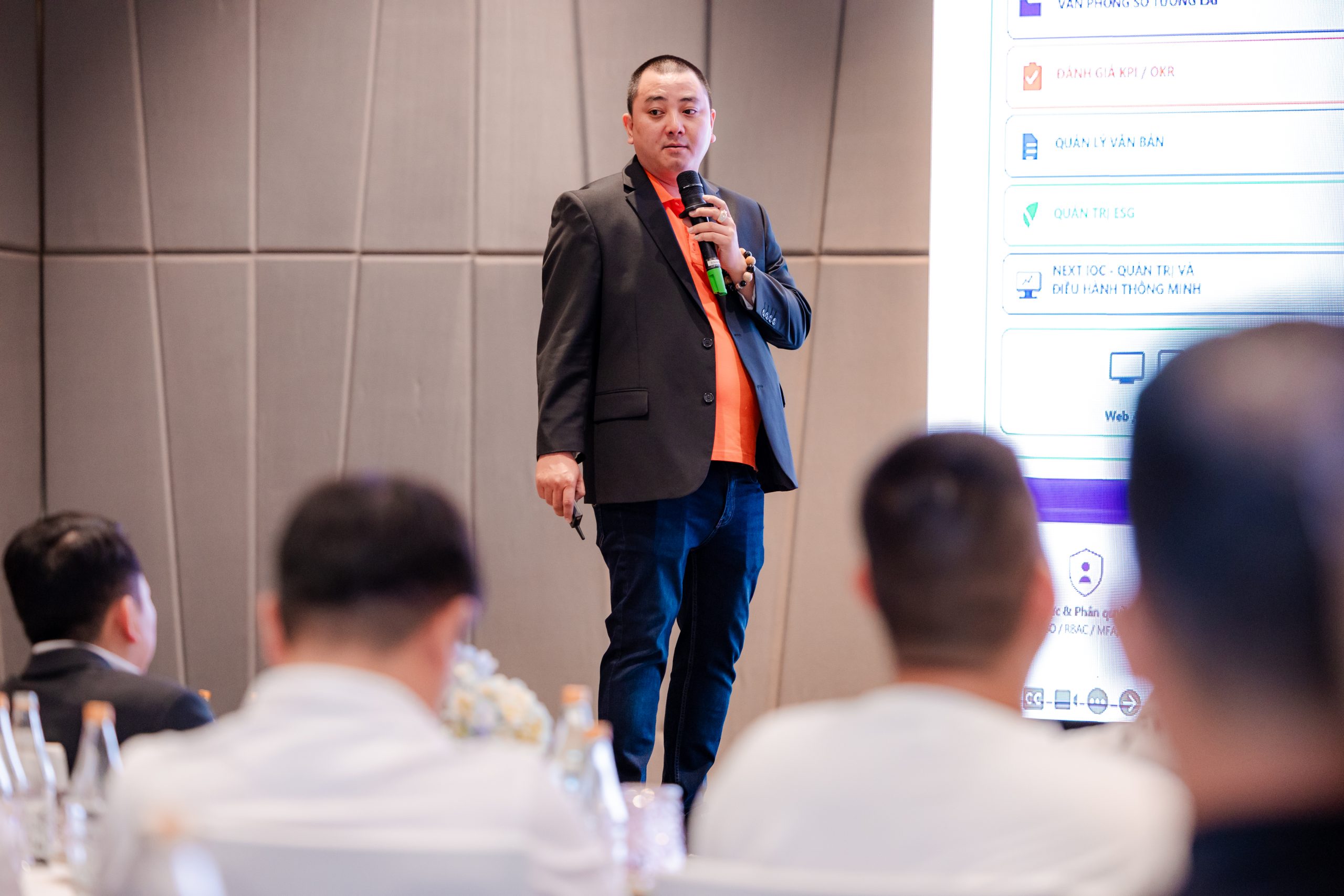
Once a solid data and infrastructure foundation is in place, the question is: How can AI be applied to create real value for business management and operations? Mr. Dao Trong Nguyen – Business Development Director, Made by FPT, Enterprise Division, FPT IS, FPT Corporation – highlighted a familiar challenge faced by many businesses: running too many disconnected systems in parallel unintentionally creates “data silos.” As a result, senior leaders lack a real-time overview for decision-making, middle managers have to assign tasks via phone calls or messages, leading to tasks being overlooked, while employees have to log into too many different systems. In the long run, this creates blind spots in management, resulting in losses, errors, and lower productivity.
Addressing this pain point, Mr. Nguyen introduced NEXT IOC, a next-generation intelligent operations center integrated with AI Agents to provide alerts, analytics, and allow leaders to assign tasks directly from an operations dashboard. The platform features interfaces tailored to different roles, including CEO, CFO, sales, production, and HR directors. It has currently reached Level 4 in FPT’s five-level AI maturity model, is integrated with national systems such as NDXP and VNeID, and can be deployed and go live within approximately 12–16 weeks with 24/7 operational support.
Following the in-depth insights from technology experts, the seminar continued with a practical perspective through the successful transformation story of Thinh Phat. Mr. Le Thanh Phong – Head of IT Infrastructure & Support, Thinh Phat – shared that before the transformation, the IT team faced significant pressure from operating physical infrastructure, spending considerable time on monitoring and maintenance instead of investing in technology innovation. They also faced risks of hardware failures and limitations in system scalability. To convince the Board of Directors, including foreign investors, the team conducted a comprehensive analysis of the hidden costs of the on-premise operating model and compared it with a Cloud approach based on key criteria such as stability, security, cost, and risk. Following the evaluation, FPT was selected as the partner thanks to its ERP Cloud implementation capabilities, experience in delivering numerous successful transformation projects, and ability to provide end-to-end support through a single point of contact.
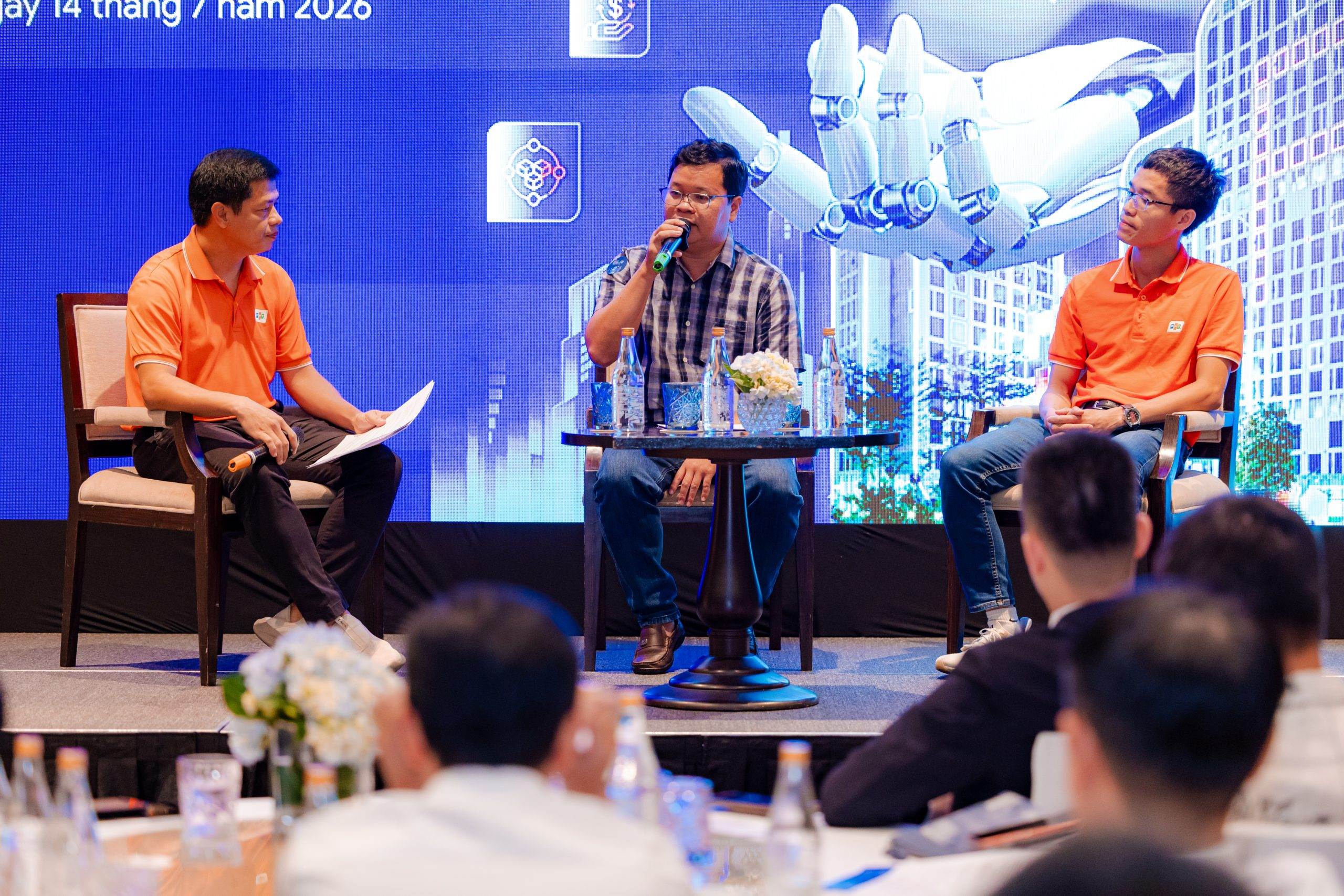
From the technical perspective of the implementation partner, Mr. Le Hung Cuong – Technology Consultant, FPT IS, FPT Corporation – shared four key factors for successfully migrating core systems to the Cloud: aligning perspectives between the two project teams, having an in-depth understanding of the customer’s systems, maintaining close collaboration between both sides, and applying an implementation methodology refined through multiple projects while remaining flexible for each specific case. With approximately 2 terabytes of system data, the project kept migration downtime to 6–8 hours and was carried out overnight on a weekend after multiple rounds of testing. As a result, Thinh Phat’s systems have become significantly more stable, while the IT team has been relieved from the pressure of infrastructure operations and can focus on higher-value activities, including exploring AI applications in the future.
Summarizing the discussion from both the business and technical perspectives, Mr. Nguyen Van Truong – Director of the Technical Resources Center, FPT IS, FPT Corporation – highlighted three key takeaways from Thinh Phat’s transformation journey. First, migrating an ERP system to the Cloud is not simply about adopting a new technology platform; it is also about ensuring security, minimizing risks, and optimizing business operations. Second, successful transformation requires a detailed and precise implementation methodology that can be flexibly adapted to each business’s specific circumstances. Third, only when the system operates stably can a business establish a solid foundation for beginning to consider AI applications in the future.
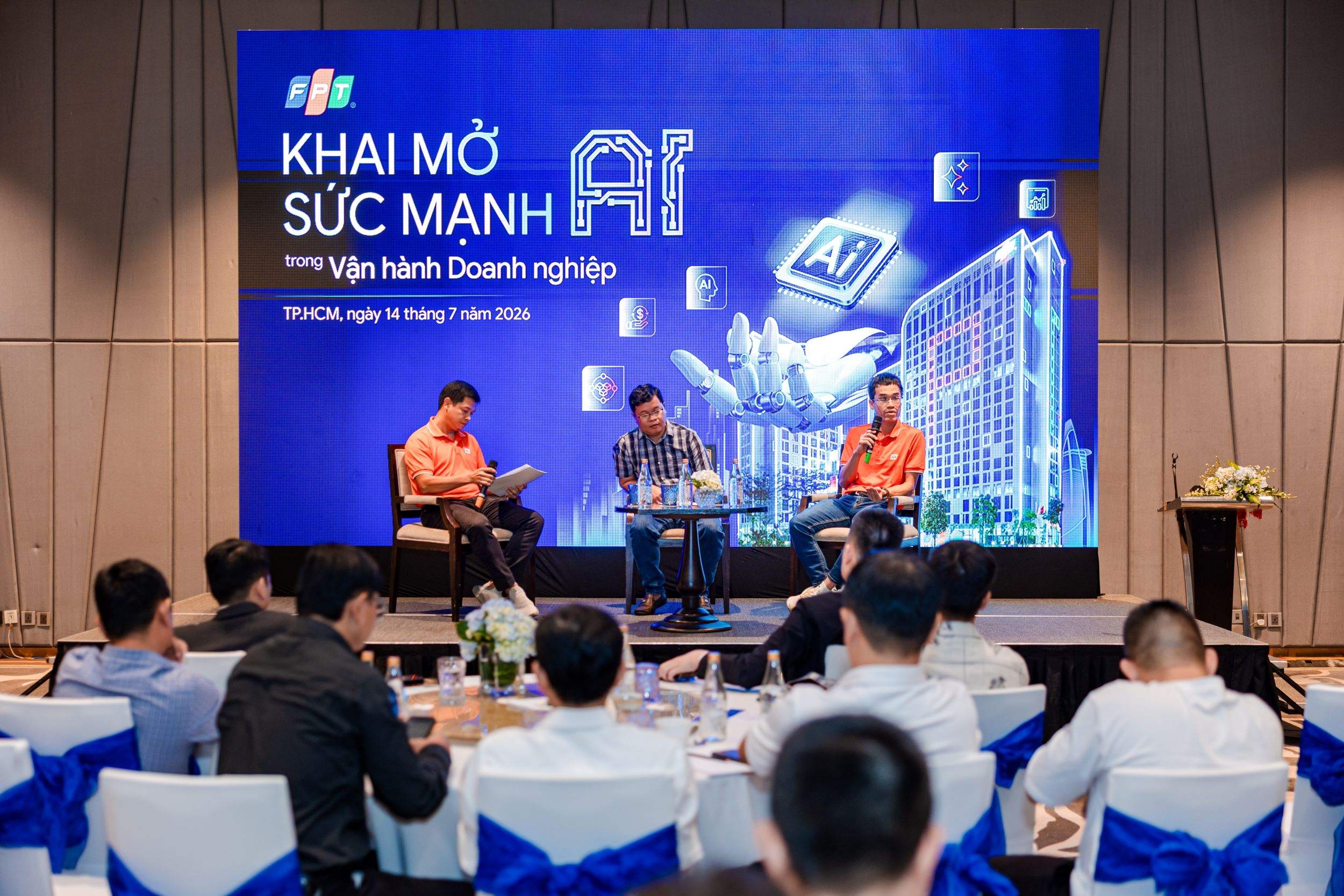
The seminar concluded with comprehensive perspectives on the AI transformation journey for businesses, from building data foundations and Cloud infrastructure to applying AI in practical operations. The event also opened up a space for experts and businesses to exchange views on the challenges and lessons learned along the journey. Guided by its AI First strategy, FPT Corporation is committed to accompanying businesses throughout their AI transformation journey, making AI a core engine at the heart of management and operations.