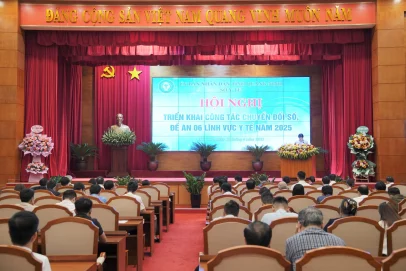
FPT, together with Cisco and Phenikaa University, promotes the development of smart universities in the AI era
On the afternoon of May 15, the workshop “Digital Transformation in the Context of Artificial Intelligence: Solutions and Resources,” organized by the School of Interdisciplinary Digital Technology under Phenikaa University in collaboration with FPT and Cisco, brought practical perspectives on smart universities, AI infrastructure, data security, and the EdTech ecosystem in the digital era, in line with the orientation of Resolution 57-NQ/TW.
Attending the workshop were Dr. To Hong Nam, Deputy Director of the Department of Science, Technology and Information under the Ministry of Education and Training; Prof. Dr. Le Trung Thanh, Permanent Deputy General Director and Director of Phenikaa University; Dr. Nguyen Ngoc Ninh, Deputy General Director of Phenikaa University; Prof. Dr. Nguyen Van Hieu, Deputy Director of Phenikaa University and Head of the School of Interdisciplinary Digital Technology; Dao Van Thinh, Director of the Digital Infrastructure Services Division at FPT IS, FPT Corporation; and Ho Huu Thang, Chief Technology Officer of Cisco Vietnam, along with experts from FPT and Cisco and leaders of faculties, institutes, and member schools under Phenikaa University.
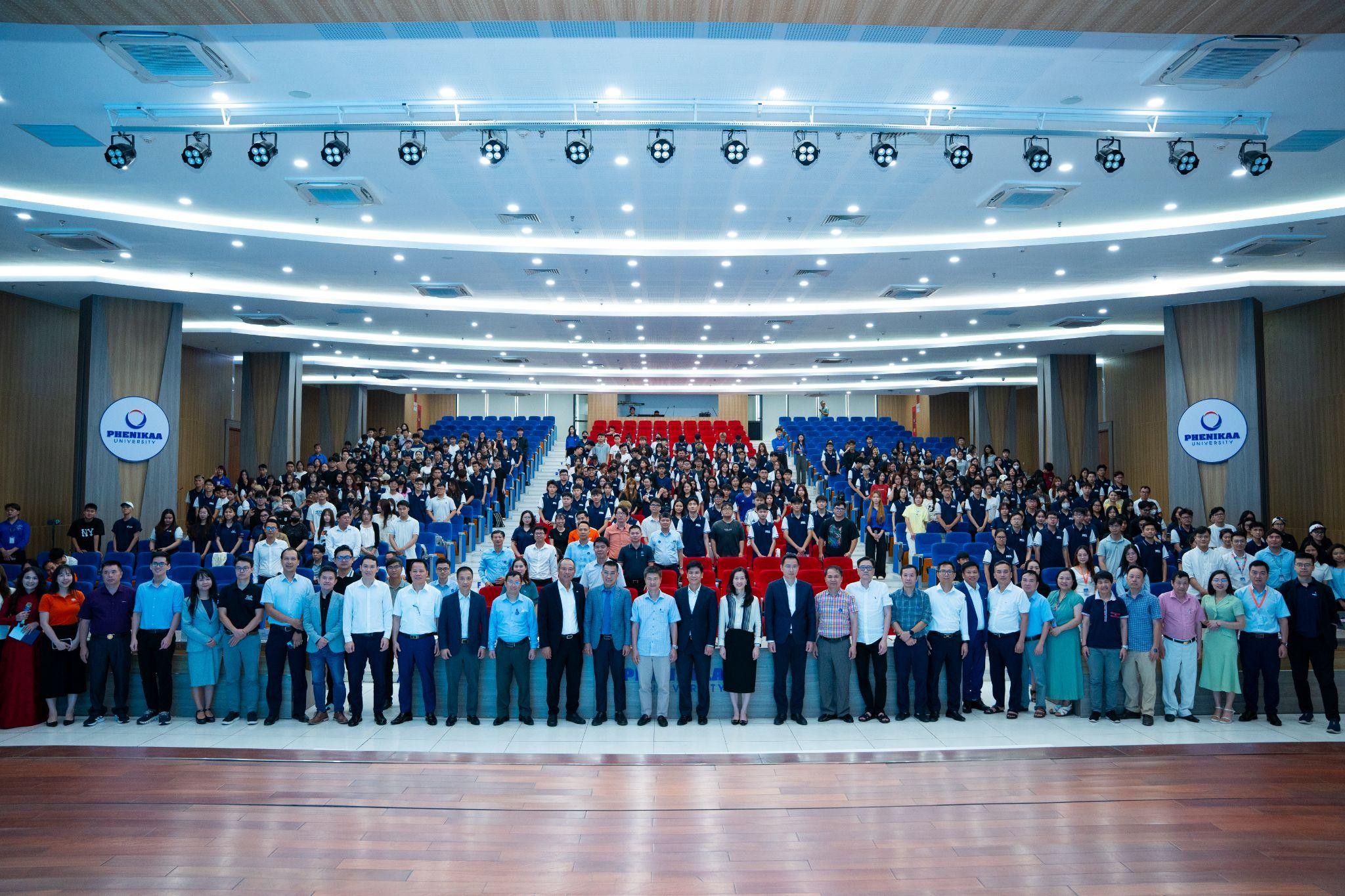
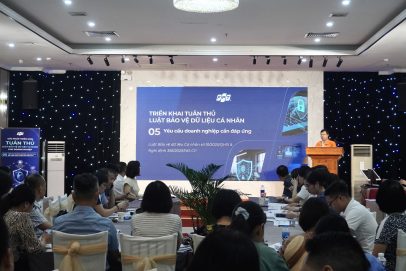
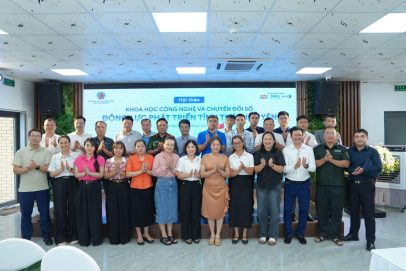
Delegates, experts, and students at the workshop
When AI becomes the infrastructure of education
In the AI era, digital transformation is not only a technological issue but also a challenge related to people, institutions, and organizational innovation capabilities. The demand for training interdisciplinary digital human resources, proficient in technology, data, and AI while also understanding governance, business, and social practice, is becoming more urgent than ever.
In his opening remarks, Prof. Dr. Nguyen Van Hieu affirmed that AI is no longer merely a support tool but has become a “new knowledge infrastructure,” directly affecting teaching, research, governance, and personalized training. According to him, the biggest challenge today is not the lack of AI tools, but the lack of AI governance models capable of being implemented synchronously across the entire organization.
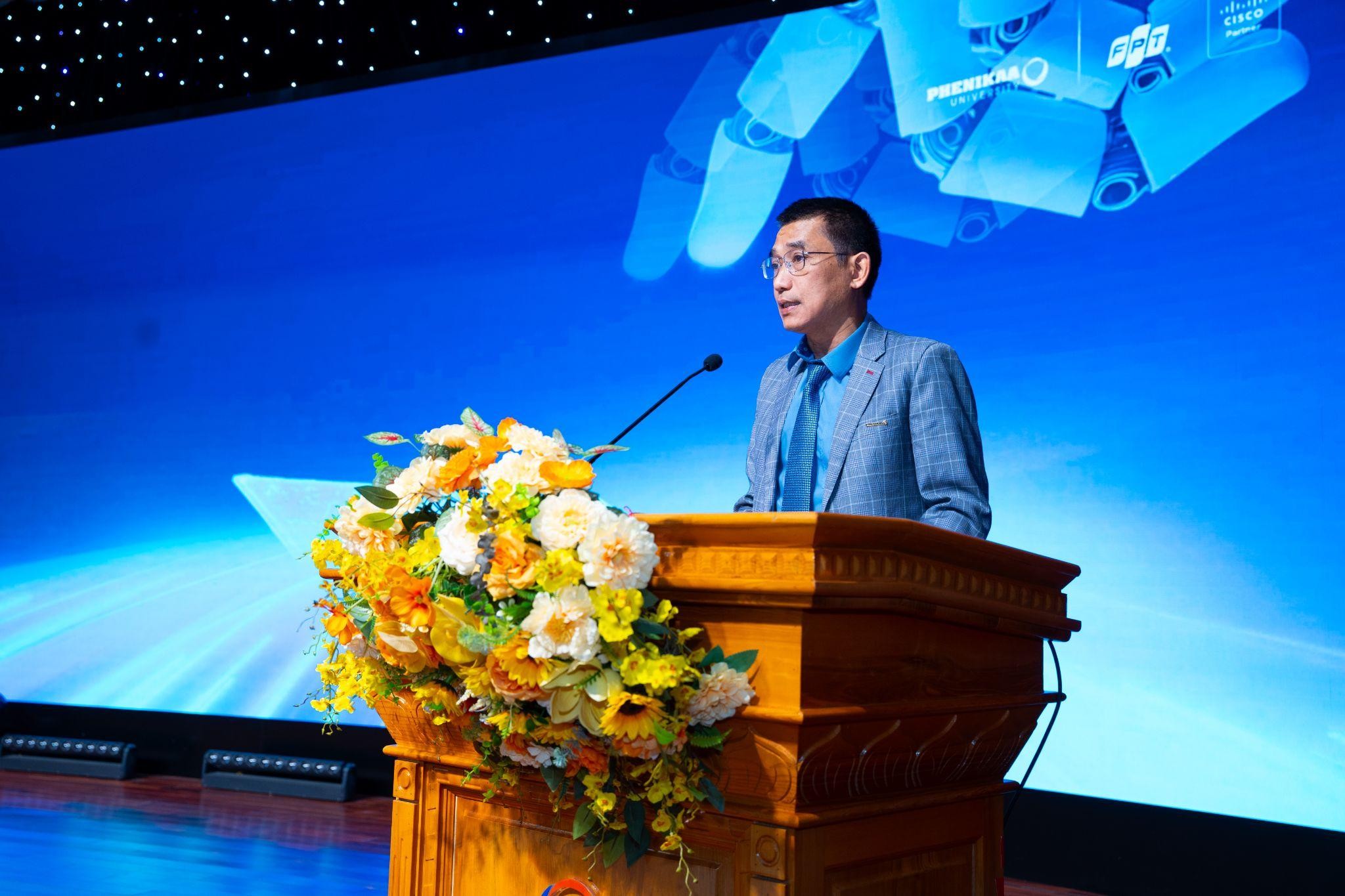
Prof. Dr. Nguyen Van Hieu affirms that AI is no longer merely a support tool but has become a “new knowledge infrastructure”
“Universities need to shift from the mindset of applying isolated technologies to building smart digital university ecosystems, where data, digital platforms, AI, and people operate within a unified structure,” Prof. Dr. Hieu emphasized.
Dao Van Thinh, Director of the Digital Infrastructure Services Division at FPT IS, FPT Corporation, shared that the capability gap between countries in the future will be determined by the quality of human resources and the ability to master strategic technologies. In reality, Vietnam is currently among the Top 10 fastest-growing EdTech markets in the world and the Top 3 in Southeast Asia. This figure presents both opportunities and pressure for the education system and solution providers alike.
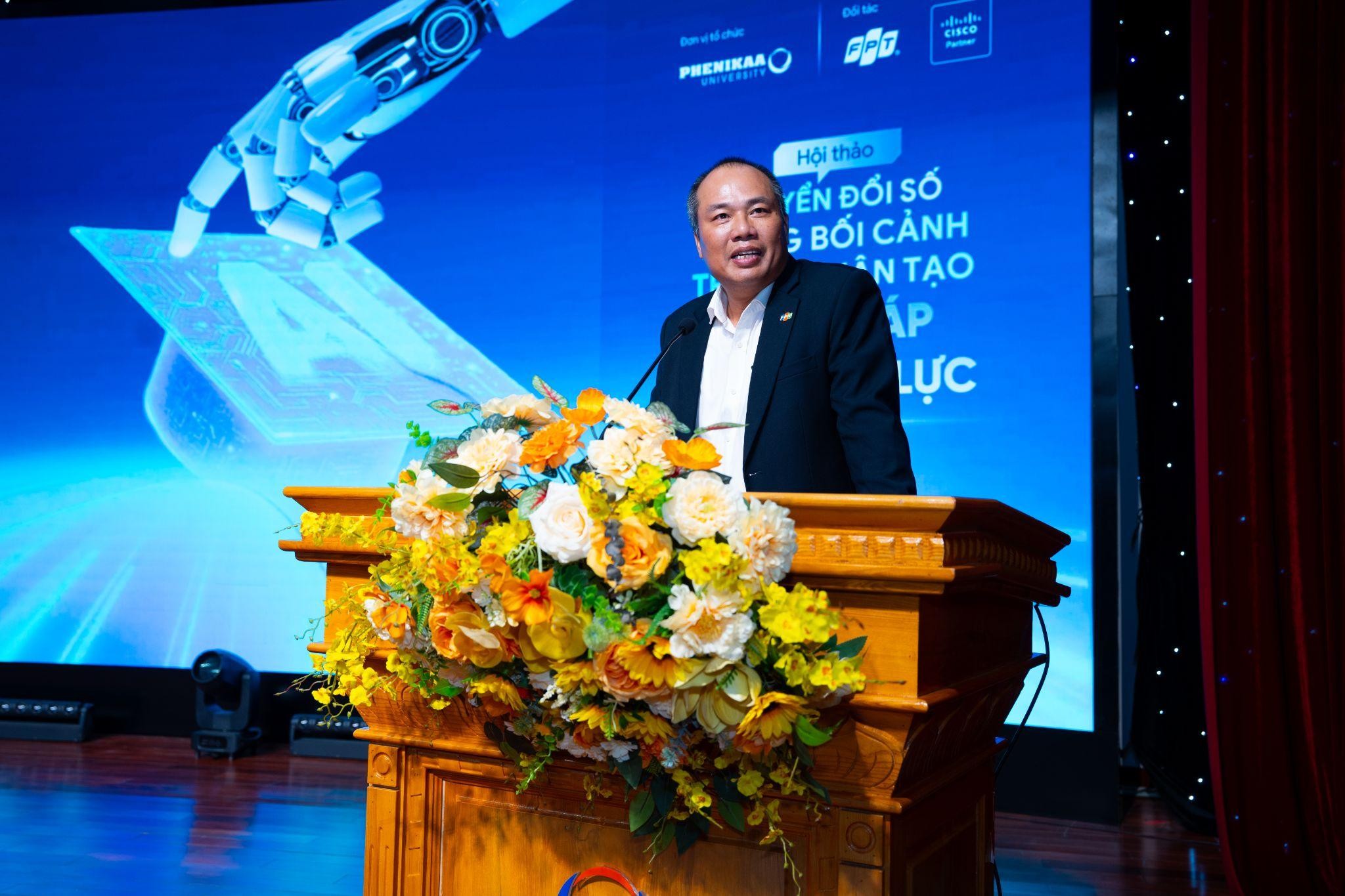
Dao Van Thinh, Director of the Digital Infrastructure Services Division at FPT IS, FPT Corporation, affirms that FPT identifies education as a strategic sector
From that perspective, FPT identifies education as a strategic field with two parallel investment directions: the FPT Edu education system and an EdTech solutions ecosystem covering the entire operational lifecycle of an educational institution, from strategic planning to operation and continuous improvement. Many platforms have already approached the smart university model, including VioEdu, an AI-powered personalized learning platform for millions of users; Khaothi.Online, a digital examination platform serving tens of millions of online test sessions; CodeLearn; Meduverse; and Kyta Platform, a platform digitizing organizational operation and governance processes developed by Vietnamese engineers.
At the technology infrastructure level, FPT has strongly invested in information security capabilities with a team of more than 250 cybersecurity experts and a 24/7 monitoring and operations center. At the same time, FPT has mastered many core technologies such as AI/ML, IoT, RPA, Blockchain, Cloud, and Big Data to build an open, secure, and scalable digital infrastructure platform for large-scale education models. According to Dao Van Thinh, FPT not only provides technology solutions but also accompanies universities from strategic planning and system deployment to operation and continuous improvement.
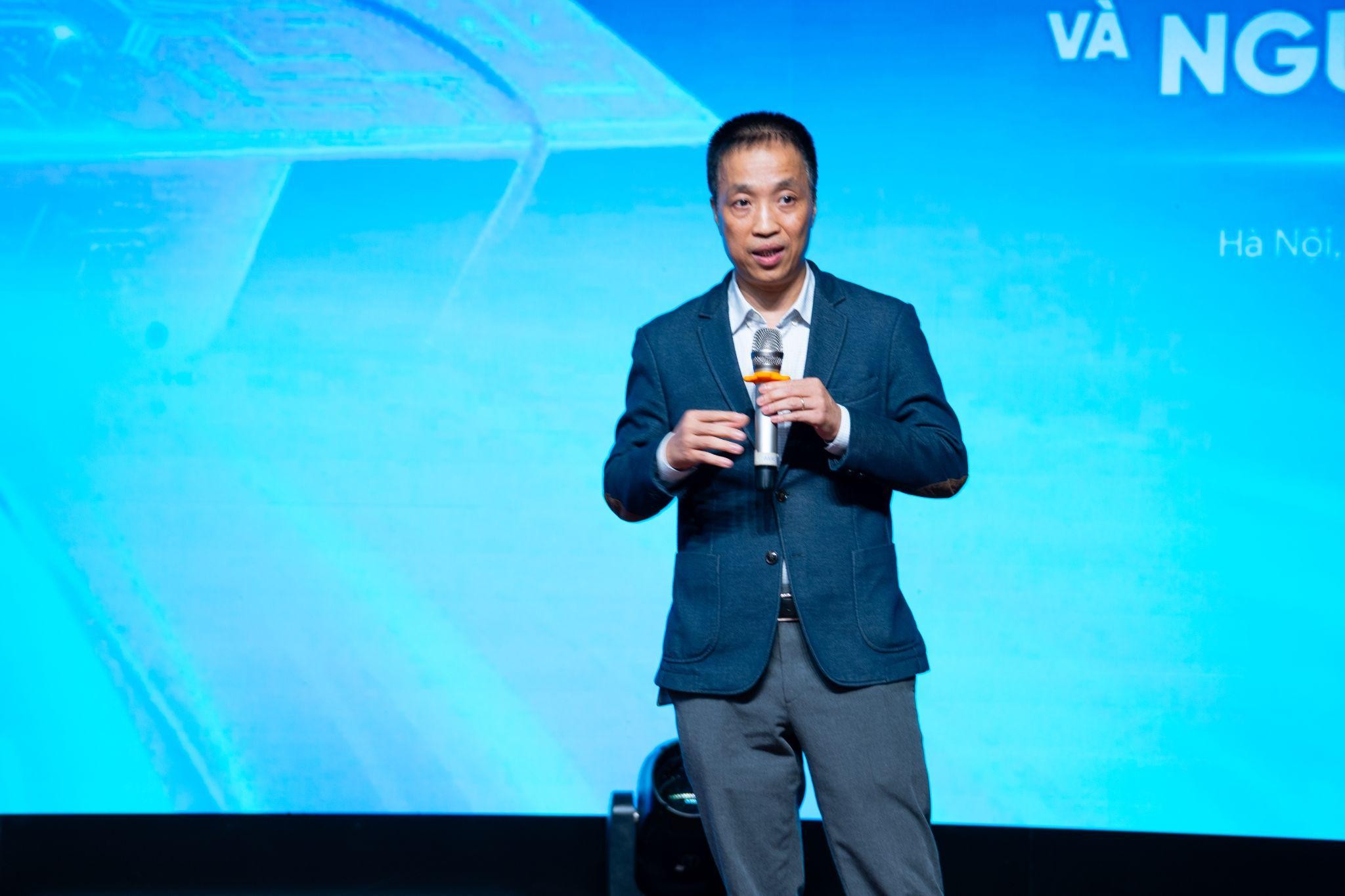
Ho Huu Thang, Chief Technology Officer of Cisco Vietnam, shares barriers preventing many educational organizations from realizing AI potential
From Cisco’s perspective, Ho Huu Thang shared three major limitations that could slow the pace of innovation in the next stage of AI development. First is infrastructure limitation: whether there is sufficient computing power, network capability, and electricity supply to operate AI workloads. Second is the trust gap: how users and organizations can trust AI with their data and operations. Third is the data gap: how to process and understand the growing volume of machine-generated data.
To address these challenges, Cisco focuses on key pillars: AI-Ready Data Centers, integrating network infrastructure, computing capabilities, security, and observability/operations; Future-Proofed Workplaces, modernizing the way enterprises operate and collaborate across working environments; and Digital Resilience, proactively preventing and responding to all forms of operational risks for organizations and enterprises.
The spirit of “shared use and sharing” is the core breakthrough
For many years, Vietnam’s education data has remained fragmented. Each university operates its own system, each institution builds its own digital learning resources and invests in infrastructure independently without a common connection point. Social resources are wasted, while a unified digital education ecosystem remains a distant goal. For Dr. To Hong Nam, this workshop was not only an academic event but also a practical expression of the three-party cooperation policy among the state, universities, and Vietnamese enterprises, in line with Resolution 57-NQ/TW.
At the workshop, Dr. To Hong Nam from the Ministry of Education and Training emphasized the spirit of “shared use and sharing” in implementing digital transformation in education, following the orientation of Resolution 57-NQ/TW. The Ministry is promoting the development of shared platforms, from the EMIS education database to a MOOC model specifically for Vietnamese higher education, similar to Coursera, aiming toward resource sharing and mutual credit recognition.
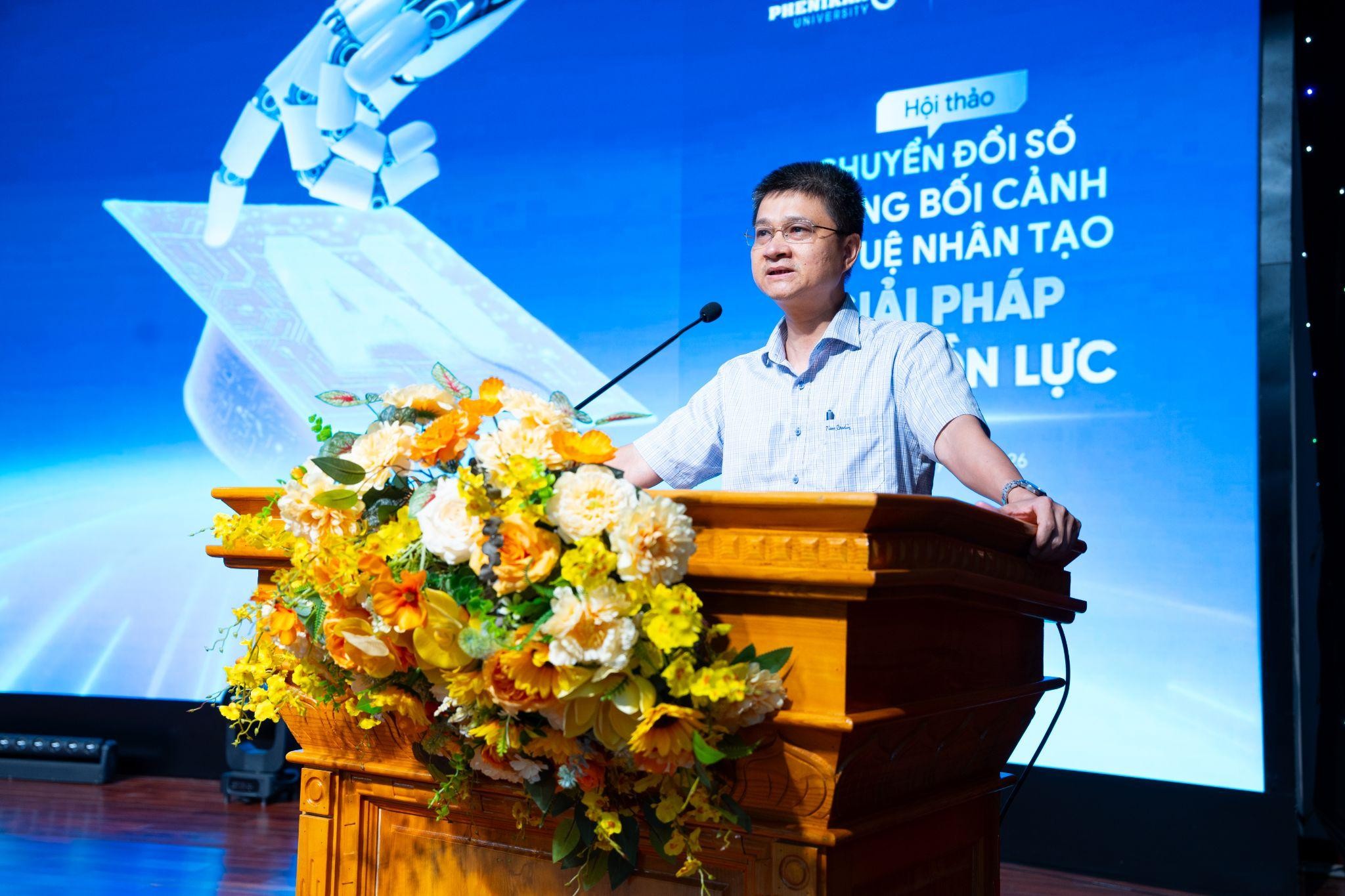
Dr. To Hong Nam, Deputy Director of the Department of Science, Technology and Information under the Ministry of Education and Training, emphasizes the spirit of “shared use and sharing” in implementing digital transformation in education
Instead of each university building separate, costly, and inefficient data centers, he recommended that universities transition to flexible cloud infrastructure with security commitments from providers. Regarding human resources, he particularly emphasized the trend of interdisciplinary digital integration, as every field from healthcare and finance to commerce and education is now associated with the term “digital.”
“The digital capability of lecturers and students is the key factor determining the effectiveness of digital transformation, not the technology system itself,” Dr. To Hong Nam stressed.
From governance mindset to infrastructure and cybersecurity
To further clarify the issues raised in the opening session, experts from Phenikaa University, FPT, and Cisco presented three in-depth reports covering the comprehensive landscape of educational digital transformation, from governance models and technology ecosystems to infrastructure and information security.
In the first report, “Smart University Governance: STEM and Data Approaches in the AI Era,” presented by Dr. Nguyen Duy Hai, Chief of Office of the School of Interdisciplinary Digital Technology and Director of the Management Information Systems Training Program at Phenikaa University, he affirmed that STEM is not merely a field of study. In smart university governance, STEM is an approach, meaning the application of Science, Technology, Engineering, and Mathematics thinking to all governance decisions, from admissions and training to resource allocation, instead of relying on intuition.
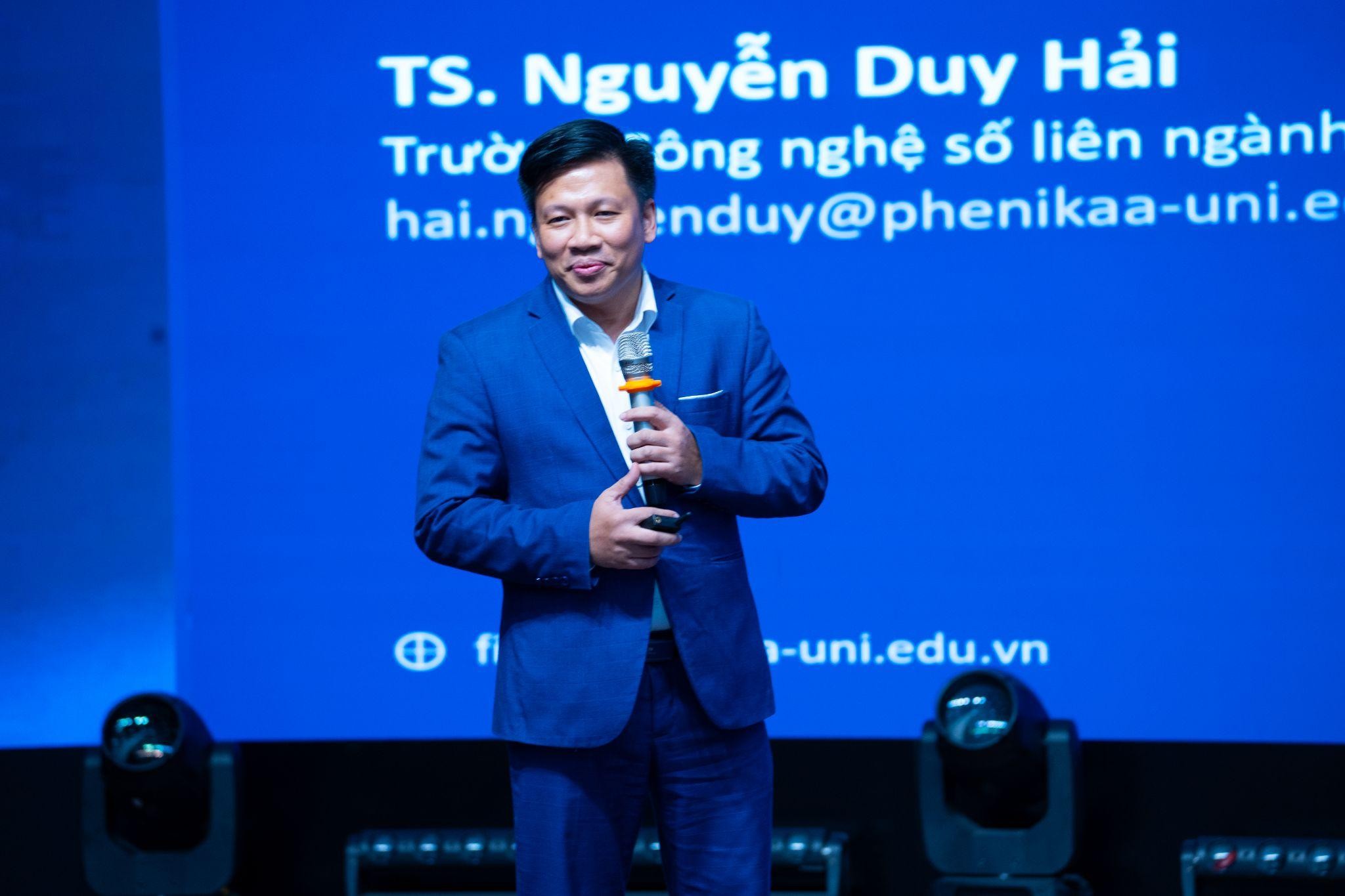
Dr. Nguyen Duy Hai affirms that STEM is not merely a field of study
He pointed out that most universities currently remain at the stage of applying technology rather than restructuring operational models based on data. To realize the smart university model, the university ecosystem needs to optimize five core functional groups: academic governance, learner experience management, operational resource management, research and innovation, and connection with the business community. The foundation for this process is standardizing around 500 digital university application processes, alongside issuing a legal framework for AI governance within universities.
He also raised a strategic human resources issue: the market is seriously lacking “operational architects,” people who understand both AI technology and education deeply enough to connect and master digital university systems. “AI can only truly be effective when data is interconnected, standardized, and integrated across the entire university ecosystem,” Dr. Hai emphasized.
Continuing the program, Ha Thi Hanh, Education Solutions Consultant at FPT IS, FPT Corporation, and Dr. Nguyen Thanh Binh, Global Cybersecurity Consultant at FPT IS and Lecturer at the School of Information Technology of Phenikaa University, presented the second report titled “EdTech & Cybersecurity Made by FPT: Optimizing Training Governance and Security.”
According to the Vietnam Educational Technology White Paper, more than 60% of domestic education systems are applying AI. This figure reflects a strong trend, but for AI to truly transform training quality, the question is not where AI is used but how it is used.

Ha Thi Hanh, Education Solutions Consultant at FPT IS, FPT Corporation, shares the “Made by FPT” EdTech ecosystem
Presenting the “Made by FPT” EdTech ecosystem, Ha Thi Hanh said that when learners access knowledge in a game-based simulation environment, concentration levels can increase fourfold compared to traditional learning methods. This is why FPT invests in AR/VR not only to create experiences but also to solve the cost issue of practical training: a virtual semiconductor lab can be shared among multiple universities, replacing physical equipment worth hundreds of billions of dong that not every institution can afford.
Following the same philosophy, the IOC system helps university leaders make decisions based on real-time data, while Khaothi.Online currently manages more than 50 million online test sessions for the TSA examination with a closed integrated process from citizen ID authentication and automated kiosk check-in to supervision and automated grading. This entire ecosystem is designed based on a consistent principle: helping universities expand training scale without a proportional increase in costs and personnel.
“With more than 30 years accompanying educational organizations, we design integrated models so that data is not fragmented and technology truly becomes leverage for administrators,” Hanh shared.
From the information security perspective, Dr. Nguyen Thanh Binh cited statistics showing that 98% of universities and 88% of colleges in the United Kingdom suffered cyberattacks during the 2025-2026 academic year, with average remediation costs of about USD 3.8 million per incident. The core reasons lie in the characteristics of educational environments: enormous amounts of personal data accumulated over many years, limited security budgets and personnel, and open environments with thousands of personal devices connected beyond direct institutional control.
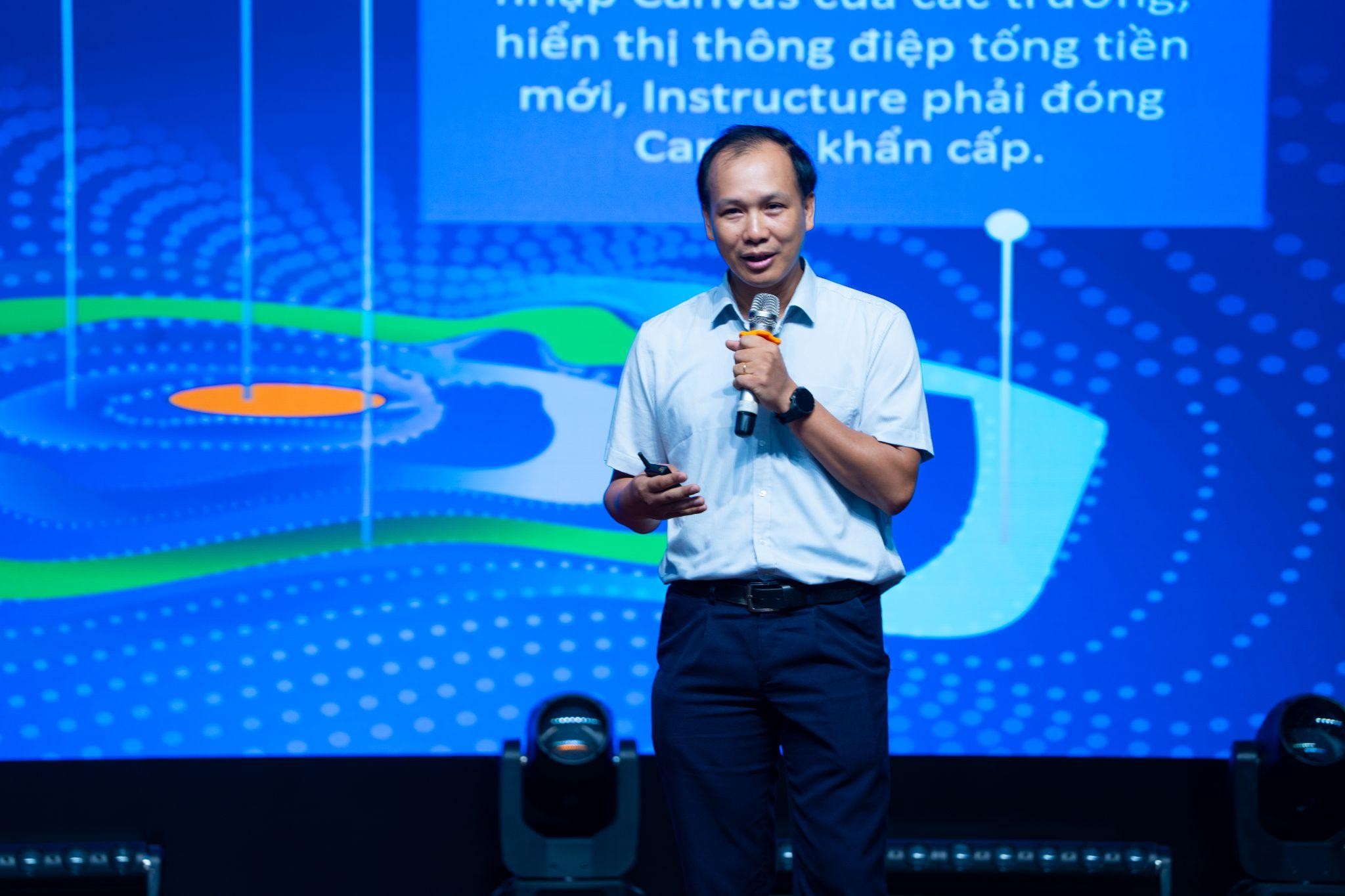
Dr. Nguyen Thanh Binh, Global Cybersecurity Consultant at FPT IS and Lecturer at the School of Information Technology of Phenikaa University
In Vietnam, systems storing more than 10,000 personal data records are classified as Level 3 information systems, requiring VPNs, web application firewalls, and log monitoring systems. In the event of incidents, universities must report to authorities within 72 hours and may face fines of up to VND 3 billion, along with civil or criminal liability for leaders.
“Universities need to build multilayered defense models combining Zero Trust thinking and integrating cybersecurity into operational architecture from the outset, rather than adding it after deployment,” Dr. Binh recommended.
In the third report, titled “Trusted AI Infrastructure for Safe and Connected Education,” Cisco experts including Trinh Tuan Anh, Cloud & AI Specialist at Cisco Vietnam; Nguyen Tuan, Security Specialist at Cisco Vietnam; and Chu Kien Binh, Head of Collaboration Solutions for Cisco Vietnam, Laos, and Cambodia, outlined the gap between expectations and actual AI deployment capabilities.
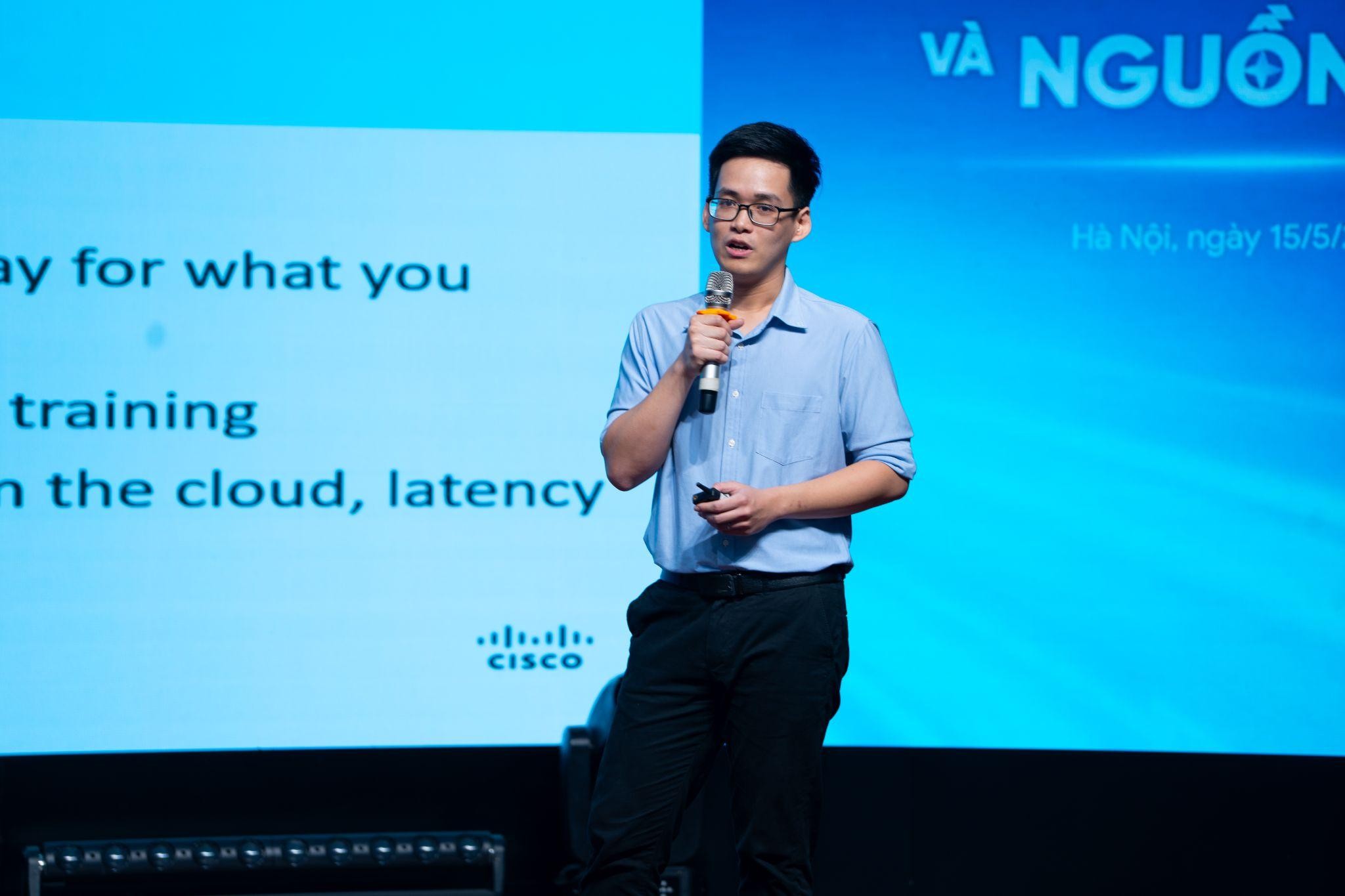
Trinh Tuan Anh, Cloud & AI Specialist, proposes suitable AI model approaches
This picture was clarified with notable figures: IDC forecasts global AI infrastructure investment will reach USD 200 billion by 2028, but only 32% of organizations are truly ready. Trinh Tuan Anh explained that AI infrastructure requires complex integration of networking systems, GPU computing servers, storage systems, electricity supply, and cooling. An AI data center infrastructure may require thousands of GPUs continuously exchanging data at speeds from 400G to 800G with near-zero latency, where even a minor bottleneck can reduce overall model performance. Cisco recommends universities adopt fine-tuning approaches instead of training models from scratch, reducing infrastructure investment pressure while still meeting AI performance requirements in education. Cisco Secure AI Factory solutions can help universities accelerate the development of high-performance and secure AI infrastructure.
Nguyen Tuan emphasized that Agentic AI is an emerging artificial intelligence trend since late 2025. Unlike traditional chatbots, Agentic AI can independently make decisions and execute actions, thereby creating a new risk layer called “non-human identities” that must be tightly controlled. To address this challenge, Cisco has developed advanced security solutions: (1) Hybrid Mesh Firewall protecting AI applications and workloads at runtime, with flexible segmentation, vulnerability shielding, and significantly reduced patching gaps; (2) Zero Trust Access applying unified policy models to protect access for humans, devices, and AI agents; and (3) Agentic SOC using intelligent data platforms combined with machine-speed data processing to detect, investigate, automatically respond to, and validate incidents in high-speed operational environments.
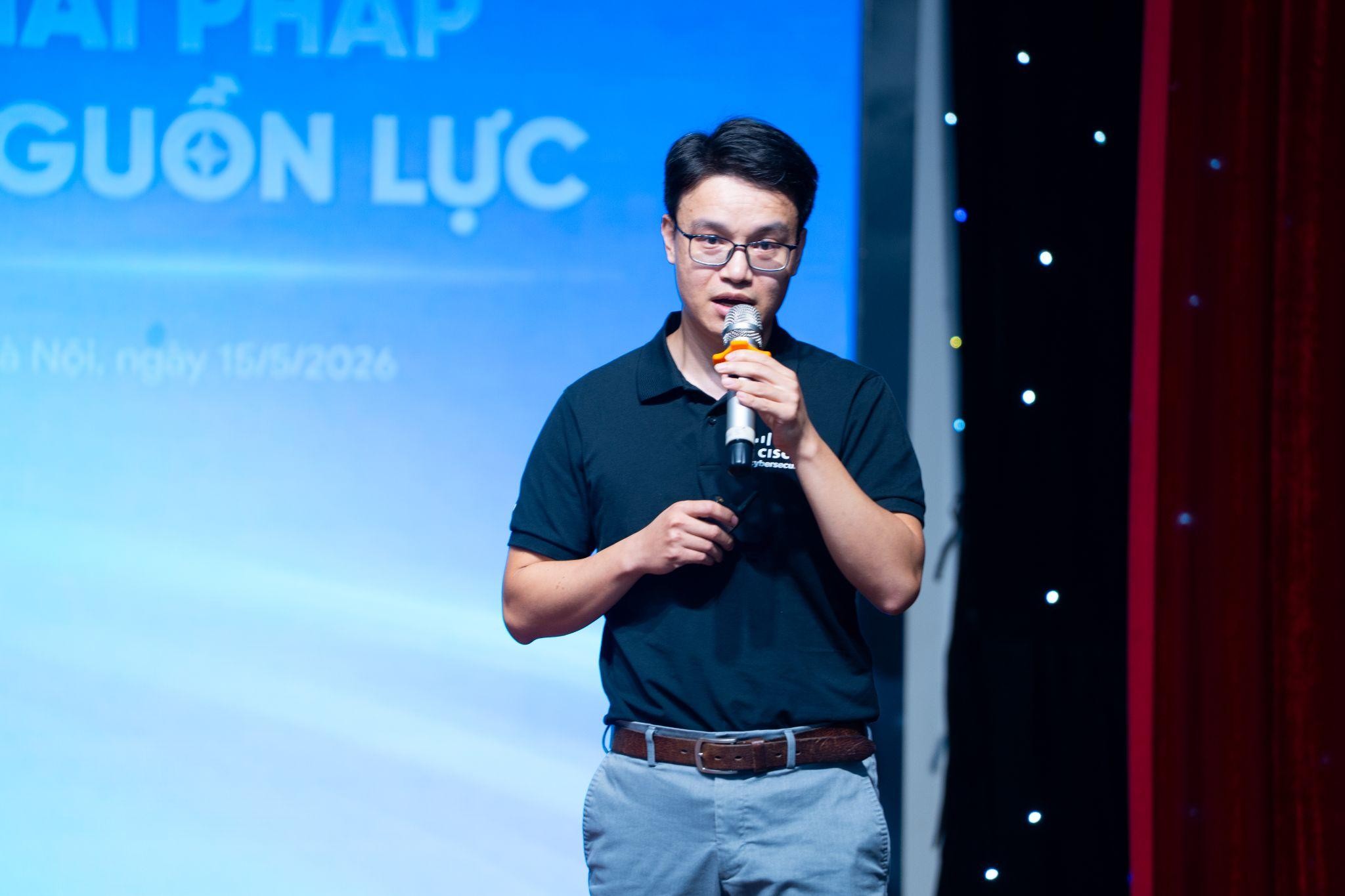
Nguyen Tuan, Security Specialist at Cisco Vietnam, affirms that the security layer determines the sustainability of the entire system
Chu Kien Binh concluded the report with the model of a borderless classroom, where AI cameras track lecturers, systems automatically convert lectures into text, and Webex Education Connector integrates with Canvas, Moodle, and Blackboard to support seamless hybrid learning. Cisco and NVIDIA have cooperated since 2015 following a full-stack philosophy for educational environments.
“Even lecturers without technology expertise can create high-quality educational content with this toolkit,” Binh said.
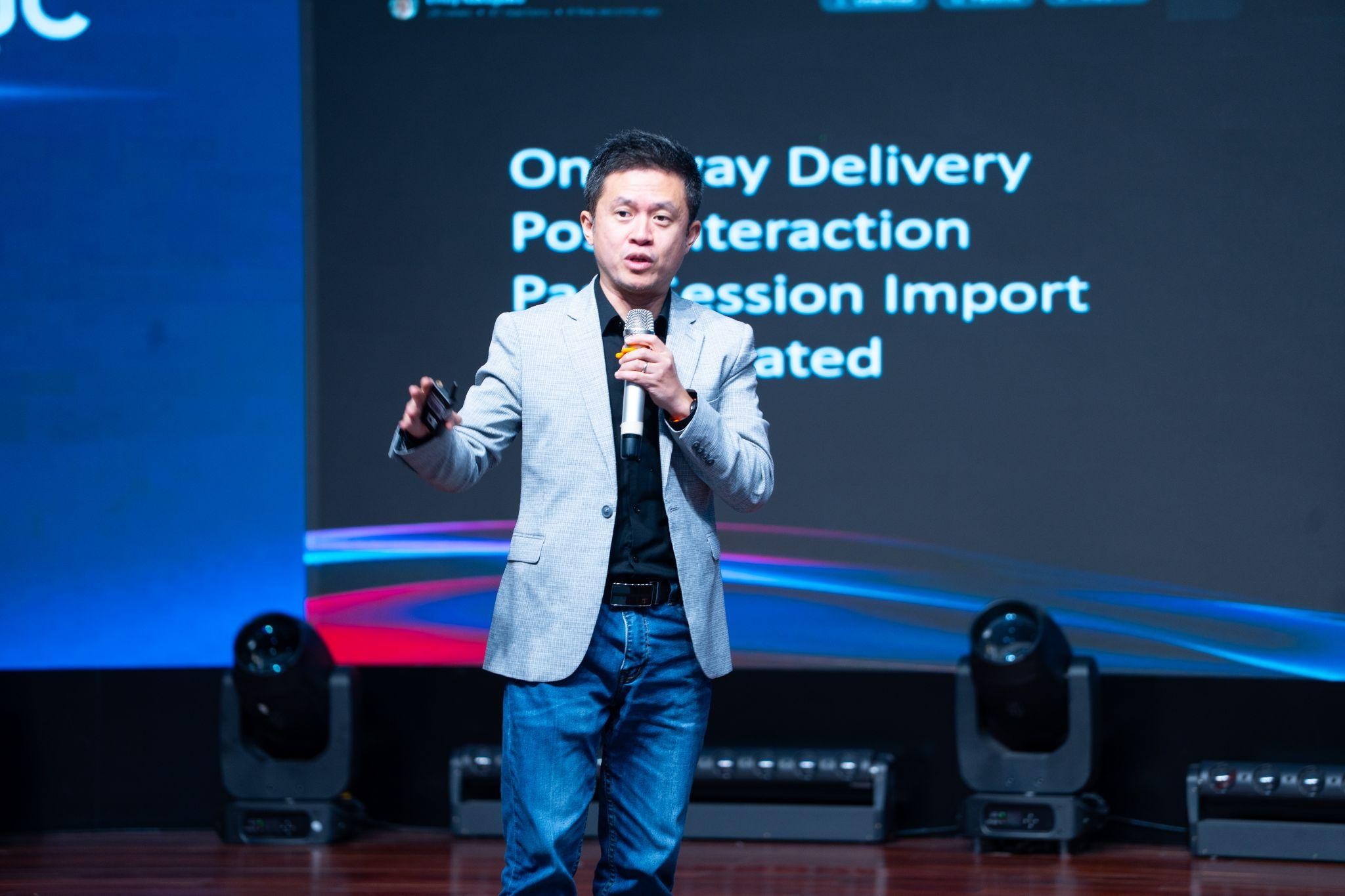
Chu Kien Binh, Head of Collaboration Solutions for Cisco Vietnam, Laos, and Cambodia
From solutions to action
What will smart universities look like in the next five to ten years? What core capabilities do students need to avoid being replaced by AI? How can the balance between innovation and data protection in open educational environments be maintained?
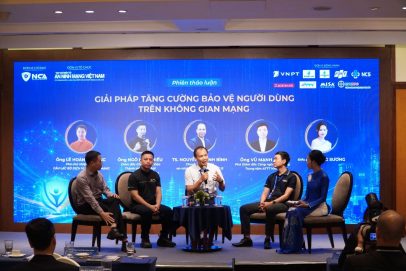
Open discussion session with representatives from the Ministry of Education and Training, Phenikaa University, FPT, Cisco, and many students
These practical questions guided the open discussion session with representatives from the Ministry of Education and Training, Phenikaa University, FPT, Cisco, and many students. A common point in expert responses was that critical thinking capability with AI, including the ability to question and verify AI-generated results, is an indispensable skill for learners in the new era.
Once again, experts emphasized one message: “Digital transformation in education is no longer a future trend but has become an immediate requirement.”
Alongside the workshop, FPT’s exhibition space “Co-create the next in education with AI” allowed students to directly experience platforms such as Smart LMS, Kyta Platform, AkaVerse, FPT.eLearning, s-Edu, and AINavi. AR/VR demo areas, AI assistants, and smart classroom models created a practical bridge between technology enterprises, students, and educational institutions regarding workforce demands in the context of rapid AI development.
Concluding the workshop, Prof. Dr. Nguyen Van Hieu affirmed that the event was not only a forum for exchanging technology solutions but also an opportunity for students to better understand the demands of the labor market they will enter in the AI era.
With a comprehensive EdTech ecosystem and deployment experience verified at hundreds of educational institutions, FPT in particular and Vietnamese technology enterprises in general continue affirming their role as strategic partners in the digital transformation journey of Vietnam’s higher education sector.