FPT helps bring the history of Vietnam’s healthcare sector to life through digital technology
Artifacts quietly preserved in the Ministry of Health’s Traditional Room in Vietnam—from wartime medical instruments to historical documents aged by time—are now being “brought to life” through digital technology. Through a data and artifact digitization project implemented by FPT, the entire exhibition space, including 26 representative artifacts and 63 historical materials, has been recreated in a 3D and VR360 environment, forming a modern electronic exhibition platform. Beyond digitization, the project lays the foundation for a long-term archival strategy while helping preserve and promote the heritage of Vietnam’s healthcare sector in the digital era.
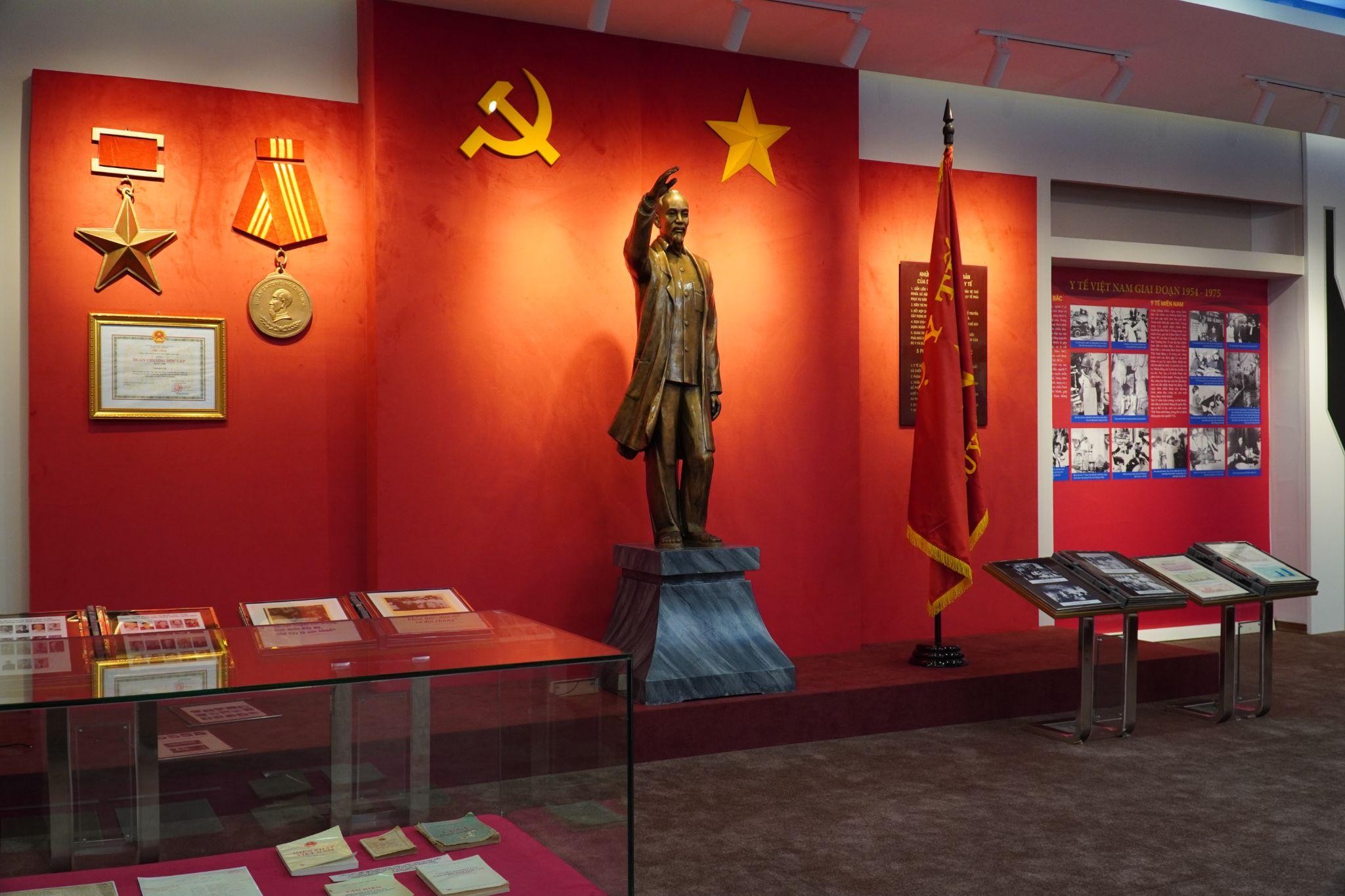
FPT collaborated with the Ministry of Health to digitize data and artifacts in the Ministry’s Traditional Room within just 15 days.
The history of Vietnam’s healthcare sector is a journey marked by dedication and quiet sacrifice. Through periods of war, epidemics and national renewal, generations of physicians have left behind not only professional achievements but also a profound spiritual legacy. The Ministry of Health’s Traditional Room is therefore more than just an exhibition space; it is a place that preserves the collective memory of a noble profession.
However, sustainable preservation cannot rely solely on physical storage. Artifacts may deteriorate over time, while exhibition spaces are limited by geography and accessibility. Digital transformation offers a new approach—preserving heritage simultaneously in both physical and digital spaces so that historical value is no longer constrained by time or distance.
As part of the Ministry’s Phase 3 roadmap to upgrade and digitize the exhibition space, the project was implemented by FPT in close coordination with the Ministry of Health under strict requirements for both timeline and quality. Within just 15 days, the technical and content teams completed the entire scope of work in time for its launch ahead of Vietnam Physicians’ Day on February 27. The short timeline required close collaboration between technology experts and artifact management teams, from site surveys and data processing to user experience design.
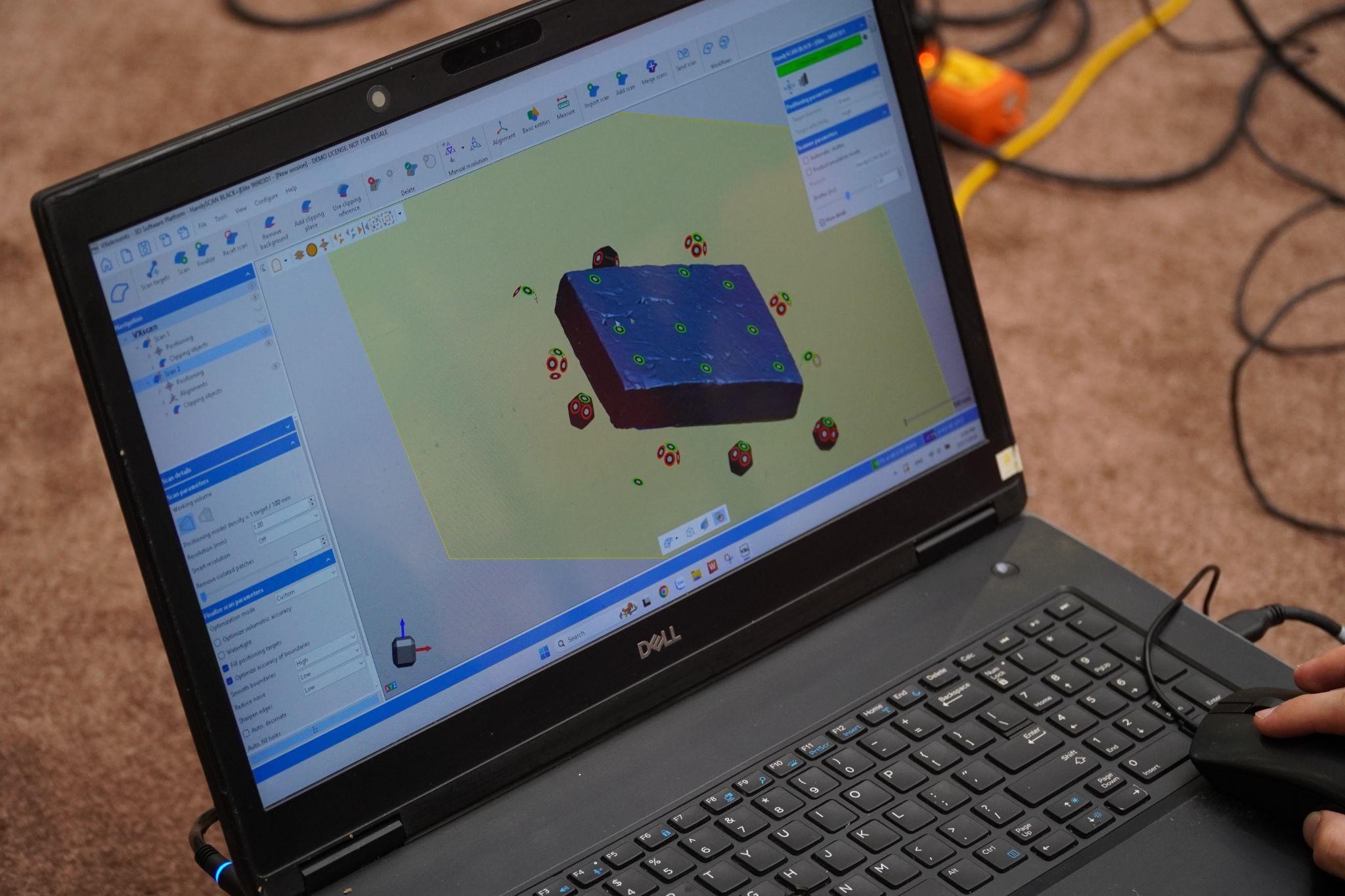
The entire Traditional Room has been recreated using VR360 technology combined with photogrammetry.
A central focus of the project was recreating the entire exhibition space using VR360 technology combined with photogrammetry. Each exhibition area was captured and reconstructed into a multidimensional digital environment, allowing visitors to explore the space virtually as if they were physically present.
The virtual environment goes beyond static imagery by integrating interactive touchpoints that allow visitors to move freely, select content and explore the exhibition according to their own interests. With the VR360 platform, the Traditional Room extends beyond physical limitations to become an open digital space accessible to the public, medical students and researchers anywhere.
In parallel with the digitization of the exhibition space, 26 representative artifacts were scanned using high-precision 3D laser technology. Each artifact—from simple medical tools used on wartime frontlines to memorabilia associated with the development of Vietnam’s healthcare sector—has been transformed into a detailed 3D model that can be rotated 360 degrees and examined from every angle.
3D scanning not only enhances the visual experience for viewers but also serves as a long-term preservation method, ensuring that the form and structure of each artifact are maintained intact within the digital environment.
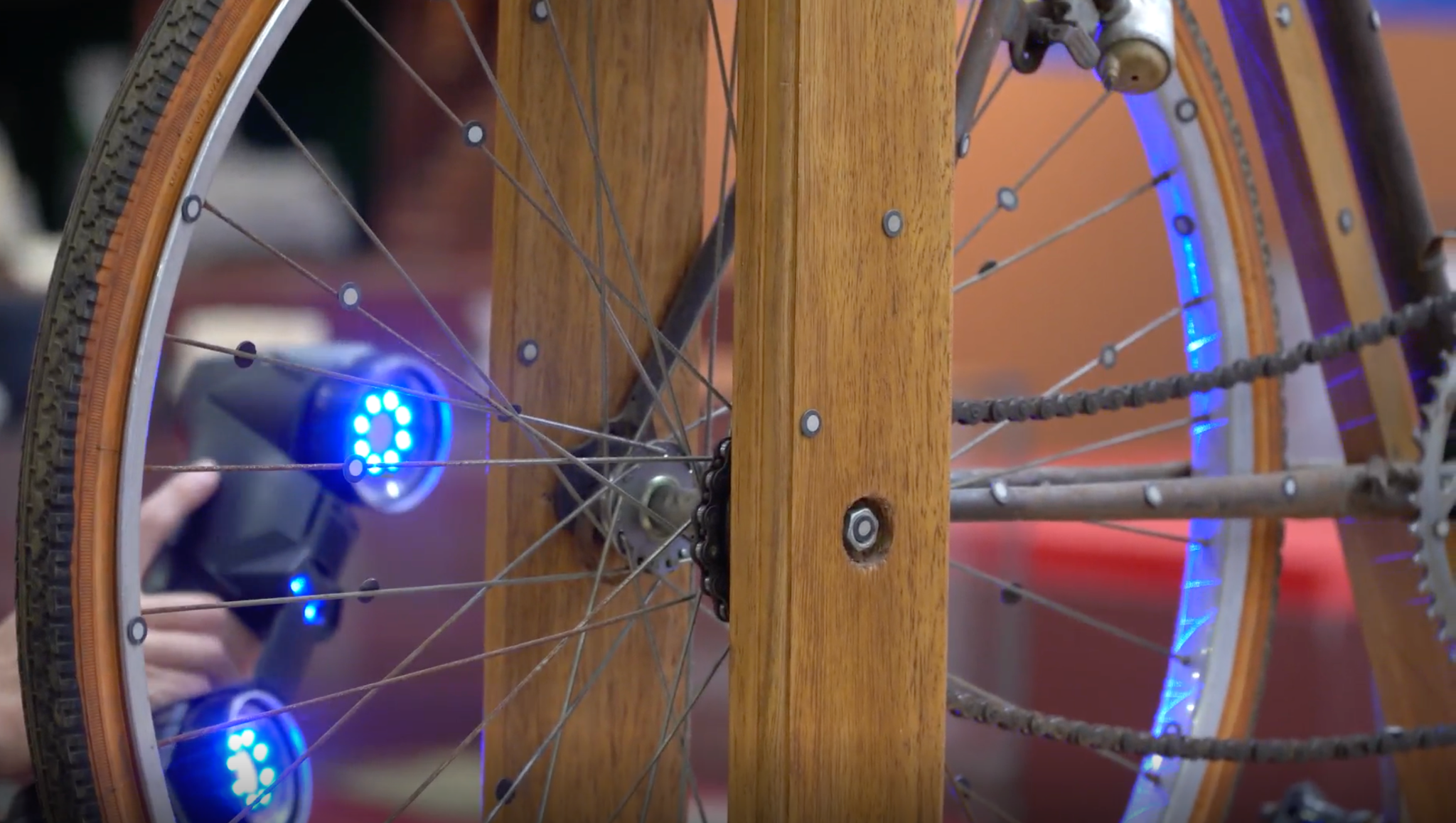
Representative artifacts have been scanned using high-precision 3D laser technology.
In addition, 63 historical materials—including photographs, documents and professional records—have been digitized at high resolution, forming a valuable electronic archive for research and reference purposes. A synchronized Vietnamese audio narration system has also been developed to enrich the user experience. When images, 3D models and audio are integrated into a single platform, each artifact becomes more than just an object on display—it becomes a complete story brought to life.
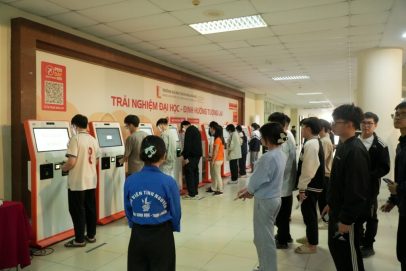
Building on the standardized data platform, FPT developed a 3D electronic exhibition system that operates both on a touchscreen kiosk installed in the Traditional Room and on a web-based application. The interface is designed to be intuitive, allowing visitors to explore the history and development of the Ministry of Health, learn about the biographies of leaders across different periods and browse the digital artifact library.
The integration of historical content with interactive technology creates a new approach to heritage exploration: instead of passively observing exhibits, visitors can actively search, navigate and discover information.
On the administrative side, the system integrates a content management system (CMS), enabling the Ministry of Health to update, expand and adjust information over time. This feature ensures the long-term openness and sustainability of the project. The digital exhibition space is therefore not a fixed product completed once and left unchanged, but rather a living system that can continue evolving with new data and enriched content in the future.
The project at the Ministry of Health’s Traditional Room also demonstrates FPT’s capabilities in Culture Tech—an area where technology is applied to preserve and promote cultural and historical heritage. Previously, FPT has implemented numerous digital transformation projects for government agencies, museums and administrative institutions, including digital exhibition spaces, digitized data systems and virtual tour platforms for communication and heritage education. These projects include Bình Phước Museum, Hàng Dương Cemetery and the Xô Viết Nghệ Tĩnh Museum.
By mastering technologies such as 3D laser scanning, VR360 environments, core platform development and content management integration, FPT is able to deliver end-to-end solutions from technical infrastructure to user experience.
As Vietnam continues to accelerate its national digital transformation agenda, digitizing the traditional space of the healthcare sector carries significance beyond a single project. It reflects a new approach to heritage preservation—where conservation is closely linked with technology, and historical memory is preserved while simultaneously shared with broader audiences.
When the memories of the healthcare sector are vividly recreated in digital environments, history is no longer confined behind glass displays but becomes an open resource for learning, research and heritage education. The initiative also aligns with the spirit of the 2024 Law on Cultural Heritage and national resolutions on digital transformation and innovation, contributing to the development of a sustainable digital cultural foundation for the future.
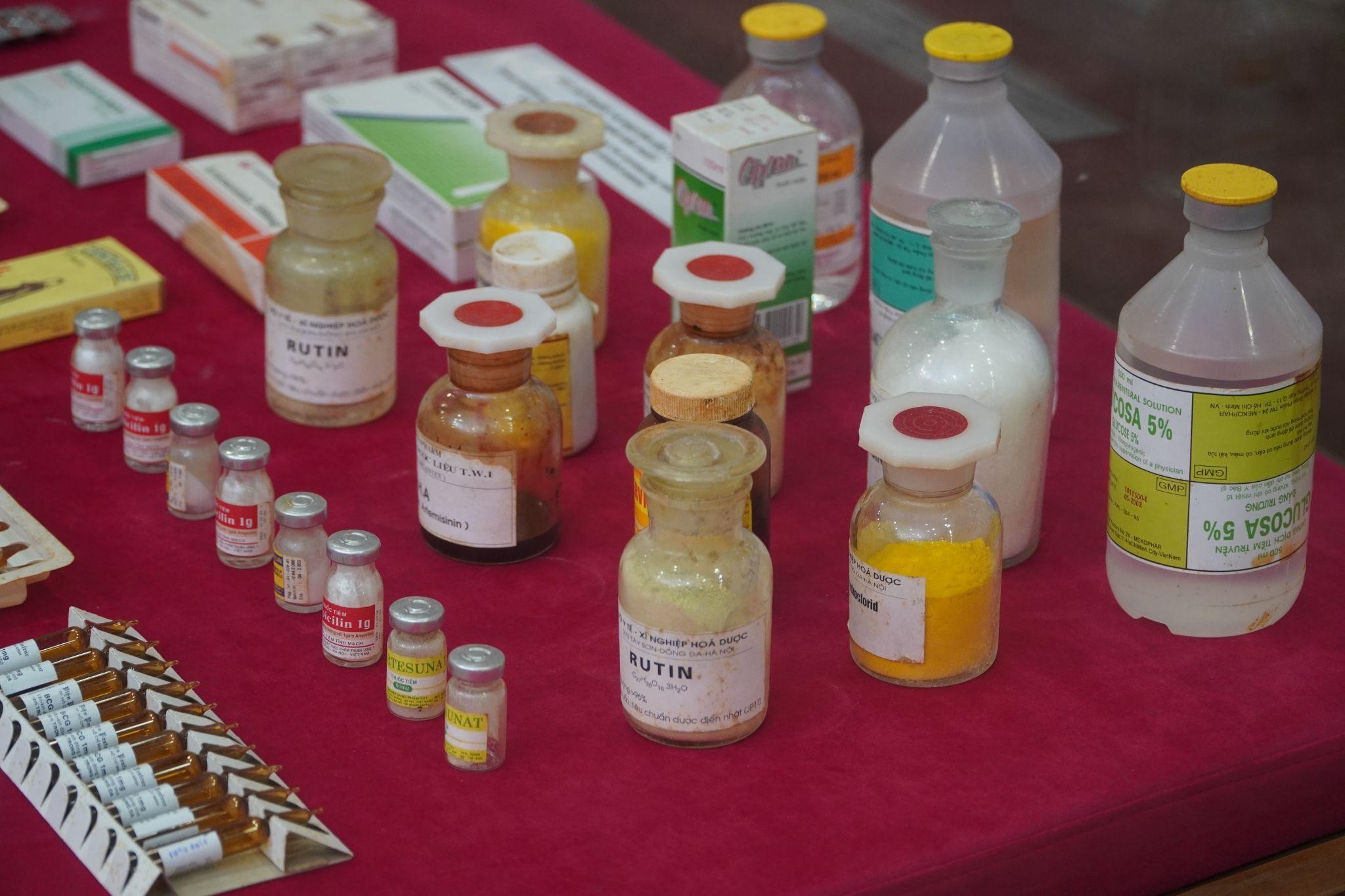
The exhibition space—including 26 representative artifacts and 63 historical materials—has been recreated in a 3D and VR360 environment.
From a traditional display space dedicated to preservation, the Ministry of Health’s Traditional Room is gradually evolving into a digital memory platform—where the past is recreated through modern technology and continues to accompany the present. The project therefore not only completes a digital transformation initiative but also lays the groundwork for a sustainable and systematic strategy to preserve and promote the historical legacy of Vietnam’s healthcare sector in the digital age.